The House Armed Services Committee advanced a defense policy bill Friday that would authorize the largest defense budget in history — $1.15 trillion — and gives military service members a 5% to 7% pay raise, depending on their rank.
In a marathon markup session that lasted from Thursday morning until 12:00 a.m. Friday, committee members debated and passed nearly 600 amendments and the bill language of the fiscal 2027 National Defense Authorization Act.
The committee approved the proposed legislation in a 44-12 vote. It now proceeds to the House floor, where it is expected to be considered in mid-July.
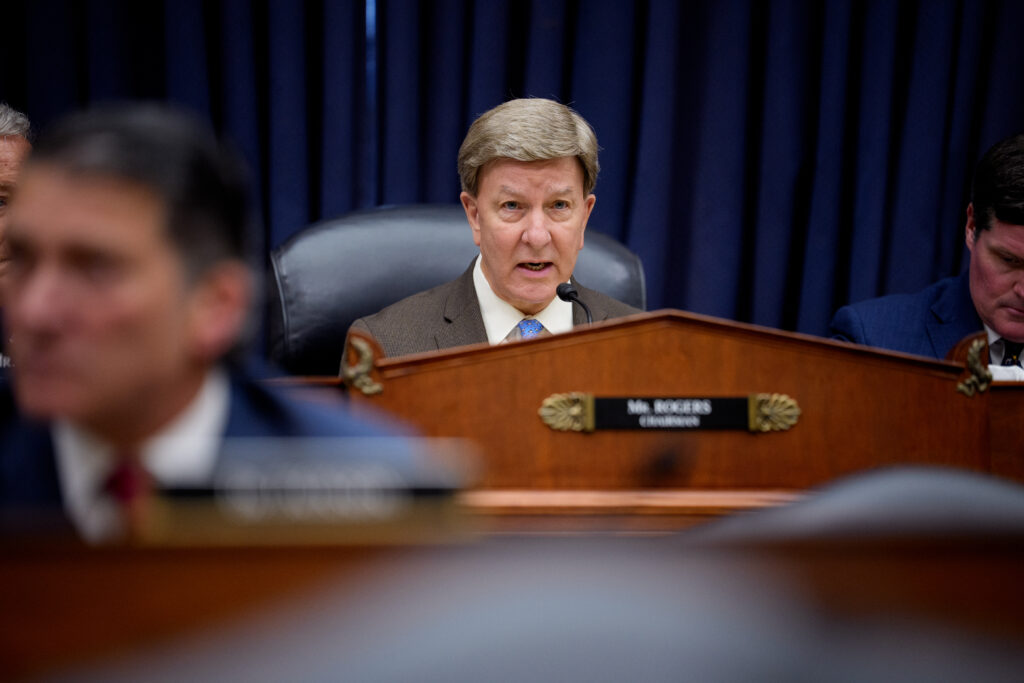
House Armed Services Committee Chairman Rep. Mike Rogers, R-Ala., said the proposal would revitalize the defense industrial base, invest in jobs and military personnel and “reverse the damage caused by decades of underinvestment in the U.S. military.”
Ranking member Rep Adam Smith, D-Wash., called it a “good solid bill” that supports the troops by investing in pay and benefits, continuing defense acquisition reform initiatives and supporting allies.
But, Smith said, the sheer size of the cost should cause pause.
“[The base amount] is a 30% increase over what the committee did last year — that is a lot of money at a time when we have a $40 trillion debt,” Smith said.
Target pay raises, boost to BAH
The proposal includes a significant boost in troop pay beginning Jan. 1, 2027, especially for junior enlisted personnel. Under the proposed legislation, service members E-5 and below would receive a 7% pay raise, while those E-6 to O-3 would get a 6% pay raise. Members O-4 and above would see their paychecks rise by 5%.
The pay plan is higher than the 3.8% increase service members received in fiscal 2026 but less than half the 14.5% increase they received in 2025.
The proposal also increases the size of the active duty force by 40,100, including: 15,000 for the Army; 12,000 for the Navy; 8,900 for the Air Force; 1,400 for the Marine Corps; and 2,800 for the Space Force.
With the increases, the active duty force will total 1,342,900 members.
Regarding benefits, the bill would remove a service member’s Basic Housing Allowance from calculations for consideration for the Basic Needs Allowance, a benefit available to low income military families whose income levels could qualify them for food stamps.
The provision, which would base a service member’s income and qualifications for the allowance on base pay and allowances while omitting the significant stipend provided to cover housing, was included in the House version of the fiscal 2026 defense policy bill but dropped from the final legislation.
According to a 2023 department survey, roughly a quarter of military families were considered “food insecure,” meaning they had difficulties buying enough food for themselves and their families.
Health and child care changes
The House proposal contains several other provisions to improve the well-being of service members and their families.
It would allow active duty personnel and reserve members on active duty to take bereavement leave in the loss of a pregnancy or stillbirth.
It would place limits on the Defense Department’s plans to restructure military health facilities, and it would require the Government Accountability Office to conduct an audit of Tricare’s pharmacy benefits.
The bill would require the department to implement an initiative to improve procedures for processing complaints against Tricare, the Defense Department’s health program, by developing a system for filing complaints not handled sufficiently by the standard complaint process.
And it proposes to allow military health beneficiaries to access physical therapy without a referral. It would expand child care options for military families by including au pairs as eligible in-child care providers under the DoD’s Child Care in Your Home Fee Assistance Pilot Program.
Controversial amendment votes
The bill was advanced to the House with two amendments that are sure to spark debate among members and in negotiations with the Senate, including an amendment offered by Rep. Ronny Jackson, R-Texas, to change the name of the Department of Defense to the Department of War, and an amendment from Rep. Marilyn Strickland, D-Wash., who proposed changing the names of military bases once named for Confederate generals back to the names recommended by a congressional naming commission in 2022.
Jackson’s amendment passed by a 29-27 vote while Strickland’s also was approved by the same number.
Regarding department oversight, lawmakers agreed that the Pentagon should submit reports to the committee on the removal of flag or general officers, including the reason, concern or inaction by the officer that prompted the relief. The provision stems from Defense Secretary Pete Hegseth’s dismissal of Army Chief of Staff Gen. Randy George in April, along with his interference in promotion lists that has resulted in the removal of more than 19 senior officers.
The bill also also requires an independent assessment into a decision last month to cancel the deployment of an Army Armored Brigade Combat Team to Poland and a report from U.S. European Command on an effort to remove 5,000 U.S. troops from Germany.
The House $1.15 trillion authorization aligns with the Trump administration’s Defense Department base budget request. The administration also seeks an additional $350 billion for defense in a request known as reconciliation that requires separate legislation outside Congress’s normal appropriations process.
The Senate has not revealed its version of the fiscal 2027 National Defense Authorization Act. The Senate Armed Services Committee plans to mark up their version in meetings next week that are closed to the public.
During the lengthy debate Thursday, House lawmakers offered dozens of amendments on issues that included a proposal to reduce the amount authorized in the bill by $150 billion, an effort to shield the independent Stars and Stripes newspaper from department interference by protecting the paper’s publisher, motions to increase oversight of the secretary’s management of the Pentagon’s independent press and a prohibition of the sale of political merchandise on military installations.
All were defeated.
The bill now moves to the House for consideration. Rep. Rob Wittman, R-Va., told reporters Wednesday that he expects a vote to occur after the Independence Day break in July, according to a report from Politico.