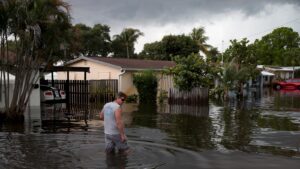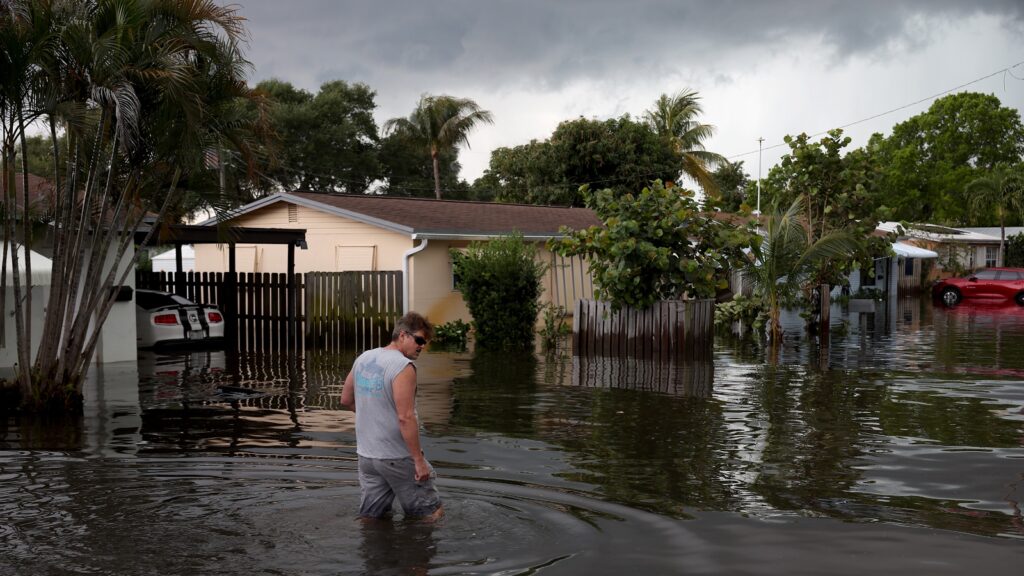
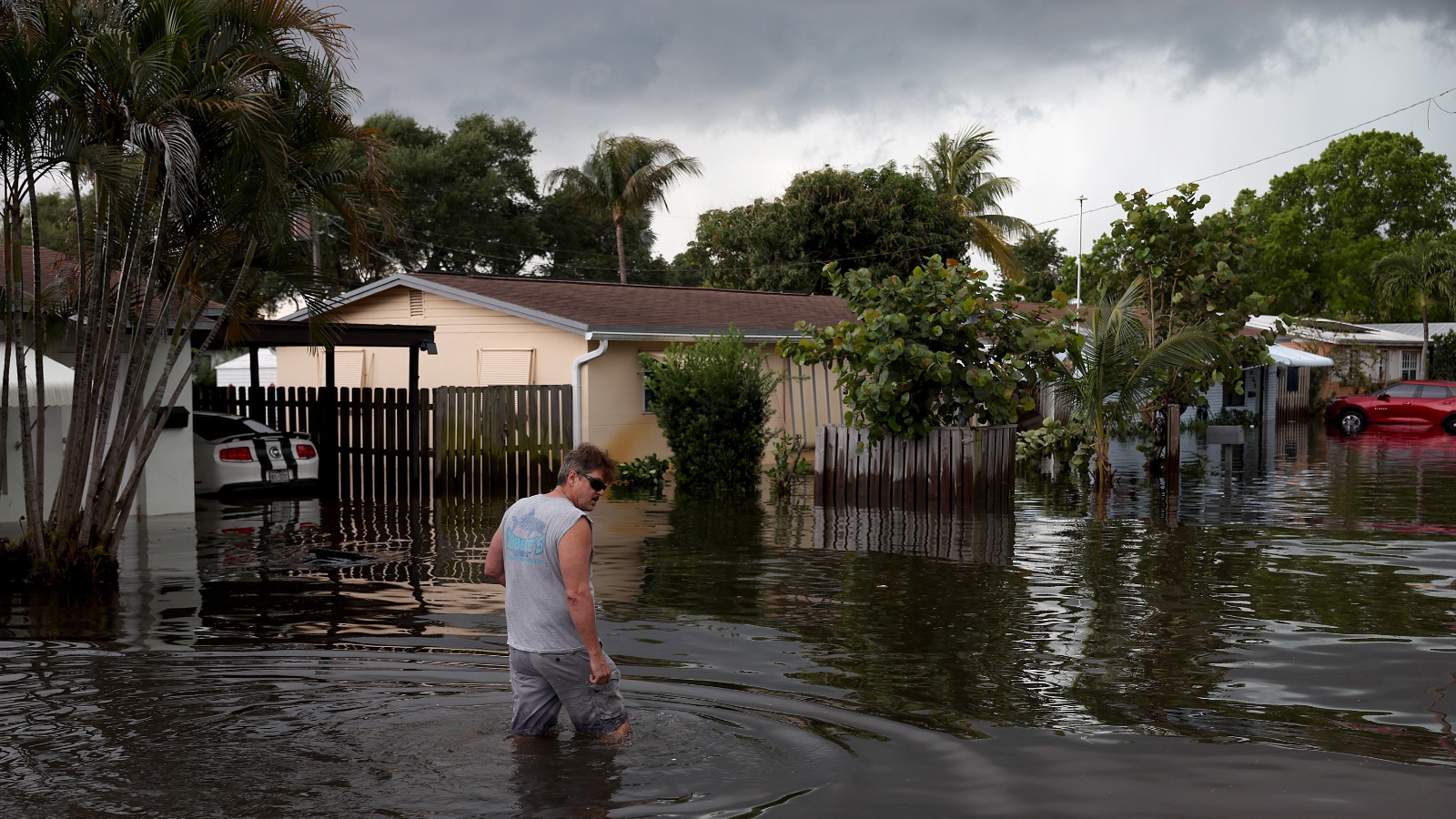
Against the backdrop of a looming global energy crisis, rising food insecurity, and the increased frequency and intensity of heat, hurricanes, and floods fueled by global warming, Florida’s governing bodies have had a consequential, but unsurprisingly counterproductive, month.
At the beginning of March, the state legislature passed a bill blocking local governments from adopting or enforcing “net-zero” policies. The bill, which was sent to Ron DeSantis’ desk, is expected to be signed by the governor in the coming days and would impact commitments made by more than a dozen cities from Tallahassee to South Miami to lower emissions and energy costs.
Then, last Monday morning, DeSantis signed Senate Bill 290, or the “Florida Farm Bill,” into law. The bill passed with a 94-10 vote in the House and a unanimous vote by the Senate. Among the biggest climate rollbacks of the new legislation, which goes into effect July 1, is the provision that now preemptively bans cities and counties throughout the state from outlawing gas- and diesel-powered tools, such as tractors, lawn mowers, and leaf blowers.
“If you want to use different stuff, fine, it’s a free country,” DeSantis said before signing the bill in Sebring, Florida. “But I like the gas-powered better. I just think it’s more reliable.”
According to Brooke Alexander-Goss, the Organizing Manager at Sierra Club’s Florida chapter, there are at most seven municipalities in Florida that actually have bans against gas-powered lawn tools, like leaf blowers and chainsaws; no municipalities in the state have prohibited the big gas- and diesel-powered machines that farmers use on a daily basis. “They’re pinpointing something very, very specific, and it’s not even something we’ve seen or heard of,” Alexander-Goss said. “It’s just another example of the legislature overstepping and wanting to take over local control, which obviously opens the door for more of that in the future.”
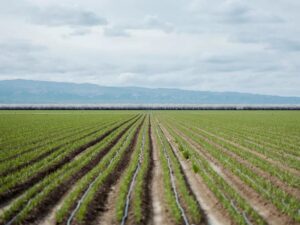
Farmers and ranchers in the state are celebrating the way the new law bolsters an industry in decline. Florida’s $387 billion agricultural sector is facing a serious downturn, driven in no small part by climate change. Extreme weather has become a major economic strain in recent years for farmers and ranchers statewide. More extreme heat and insufficient rainfall have contributed to significant losses in citrus acreage, back-to-back hurricanes have decimated the production of animal goods and row crops, and the unusual cold temperatures that hit the state last month cost the entire industry upwards of $3 billion. Major storms have also driven up farm insurance rates, while federal tariffs, trade disruptions, and immigration enforcement have increased input, fertilizer, and labor costs. And yet agriculture itself remains a big contributor to planetary warming. Sugarcane production in Florida’s Everglades agricultural area alone has been found to be responsible for more than 7.3 million metric tons of greenhouse gas emissions every year — the bulk of the state’s agricultural emissions. The new law locks the state’s farmers into that cycle of reliance on fossil fuels — and in a state where greenhouse gas emissions surged by 30 percent between 1990 and 2022, no less.
Environmental groups are, naturally, lamenting the bill’s passage for its climate setbacks. “This proves that, again, the legislature is not taking climate change seriously,” said Alexander-Goss.
The “Florida Farm Bill” also includes a provision that allows the state to open land designated for conservation for commercial farm use. Under this policy, lands acquired for conservation purposes since 2024 can be reclassified if deemed suitable for agriculture by state agencies.
The legislation “represents a troubling shift away from the state’s long-standing commitment to land conservation at a time when we should be doubling down on climate resilience,” said Javier Estevez, political and legislative director at the Florida chapter of the Sierra Club.
While the law requires an easement, or an agreement between governments and landowners to determine land use, as an attempt to limit the scale of development, Estevez says it still removes these lands from public ownership and weakens long-term ecological protections. Farming can increase water pollution, disrupt habitats, and stress fragile ecosystems that conservation programs were designed to protect.
“By allowing certain conservation lands to be declared ‘surplus’ and sold for agricultural use, this law undermines the fundamental promise that protected lands stay protected,” said Estevez.
According to DeSantis, the farm bill “shows that we have a strong commitment to not just agriculture, but our rural communities writ large.” But the package largely sidesteps farm country’s economic strife. Other parts of the law include citizenship requirements for disaster loans, a new program designed to boost locally-grown seed varieties, and permanently authorizing a program that directs farm-fresh food to food banks. Ultimately, the law comes at a time of heightened tension between what Florida state policymakers want and what cities and counties are trying to achieve in the name of climate action, food production, and public health. One thing that the law doesn’t do for the agricultural industry is indicative of that growing political tension.
An earlier version of the bill proposed to expand Florida’s food disparagement law, often called a “veggie-libel” law, which gives individuals and companies the ability to sue for claims that disparage perishable agricultural products — by saying, for instance, that a product is unsafe for consumption. The new provision aimed to expand that authority to include all agricultural products and practices and would have allowed companies to recover attorney’s fees if they won a defamation suit.
In January, Kelly Ryerson, a leading Make America Healthy Again advocate and founder of the website Glyphosate Facts, launched a full-scale campaign against the measure, on the basis that it would violate free speech and inhibit MAHA’s main priority of improving public health by cleaning up the food system. Ryerson and other MAHA advocates took to social media, email, and phone blitzes to reach Florida lawmakers and voice their opposition to the measure. She even teamed up with environmental advocacy groups to make their case before policymakers at the state capitol.
Sugarcane is one of Florida’s biggest agricultural products and its growers routinely burn their fields, a practice that has been linked to premature death, respiratory distress, and other dangerous health conditions in low-income communities of color. The measure drew particularly fierce backlash from the many critics of these controversial practices because it would have expanded the “veggie-libel” law to include sugar manufacturers.
Florida, Ryerson said, is “a really large stronghold” for MAHA, a powerful national movement that helped Trump win a second term and is now showing some dissatisfaction with the administration. She said there is “an interesting conflict” between health advocates and an agricultural industry she sees as “contributing to the toxicity of the food supply.”
The Senate stripped the provision from the bill last month. But Ryerson remains dismayed over the state’s decision to allow some conservation lands to be sold for farming. MAHA advocates would rather “permanently protect those lands for clean water, wildlife, and future generations,” she said, “not to have them auctioned off for commercial agricultural production, which will certainly pollute with toxic chemicals and fertilizers.”
The move “betrays Florida voters,” Ryerson said.
This story was originally published by Grist with the headline With its new farm bill, Florida’s climate fight just hit a tractor-sized roadblock on Mar 30, 2026.