Michigan researchers have gone back in time to get a picture of how ice cover on the Great Lakes has evolved since the late 19th century.
Using historical temperature records from weather stations around the region, researchers improved their understanding of where ice might have formed and for how long it lasted — spanning the last 120 years.
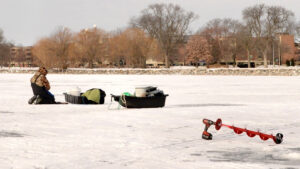
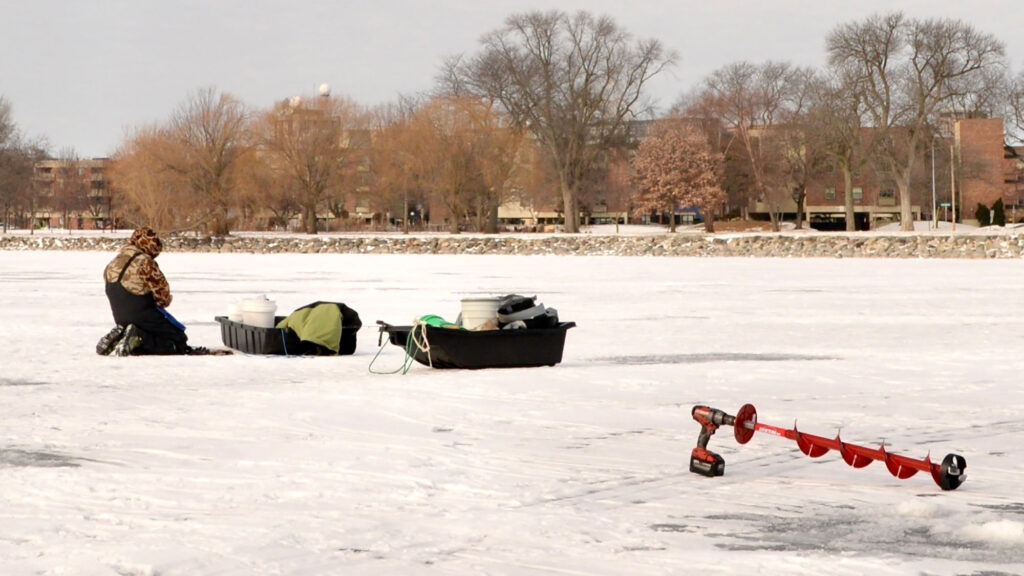
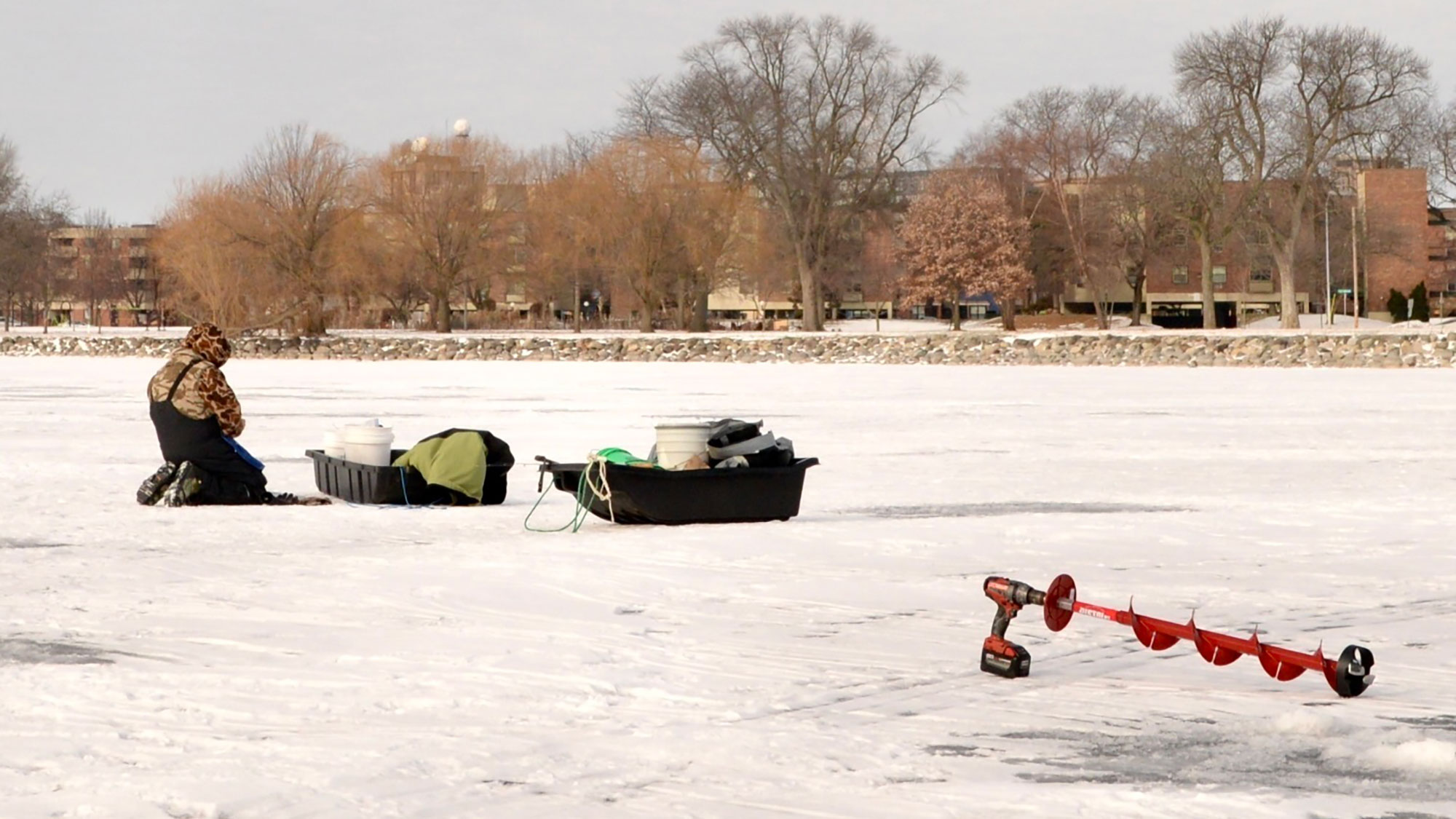
Their findings were published in the journal Scientific Data last month. Researchers said this new data record would deepen understanding of how climate change has impacted the region over time and clarify what life under ice looks like for declining iconic species such as lake whitefish. The new data could also help improve ice cover forecasting in winter, making it safer for recreation and for people who go out on the ice.
“Lake ice is really part of the system, part of our life. It matters [for] our culture, regional weather, safety, everything,” said Ayumi Fujisaki-Manome, one of the study’s co-authors and associate director for the Cooperative Institute for Great Lakes Research at the University of Michigan.
There’s a “pretty good satellite record” of Great Lakes ice cover from the last 45 years, she said. But research into the region’s historical climate requires a longer timescale, and there isn’t good data specific to ice.
According to researchers, there’s a general gap in scientific knowledge about winter on the Great Lakes — data buoys get pulled out because of harsh conditions. There are good historic weather observations, though. And air temperature is a good proxy for ice cover on the lakes because ice typically forms when there’s been several cold days in a row.
To peer into the past, researchers looked at temperature records from weather stations all around the Great Lakes, limiting their study to stations with the most consistent data since 1897.
They calculated ice cover using this information, and the end result was a dataset that can be compared to present-day conditions. Researchers said it can inform future research on how animals behave during the winter, for example.
“A lot of the biological conditions under ice are really poorly understood,” said Katelyn King, a fisheries research biologist for the Michigan Department of Natural Resources and the study’s lead author. King is using the dataset to study the historic decline of whitefish in the Great Lakes, a regional species that’s important culturally and economically.
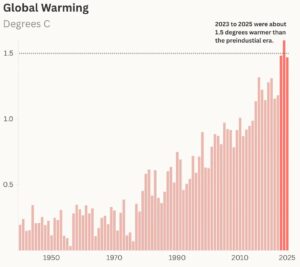
King said this dataset is a helpful baseline as the region continues to shift under climate change. Research shows that average temperatures in the region have increased in the last two decades, frost seasons are shortening, and heavy snow and rainstorms are becoming more frequent.
Still, year-to-year variability is the new normal. Ice cover on the Great Lakes was relatively close to average last winter, but followed historic lows the season prior.
So far this winter, cold temperatures in recent weeks have contributed to some of the highest ice cover on the Great Lakes in years, according to data tracked by the U.S. National Oceanic and Atmospheric Administration.
“These really extreme years where we have really cold weather or really warm weather is just a sign that long-term climate is changing,” King said. “It really affects all of us in our day-to-day.”
This story was originally published by Grist with the headline What over a century of ice data can tell us about the Great Lakes’ future on Feb 9, 2026.