Up until the end of February, a steady flow of ships bound for destinations across the world would pass daily through the Strait of Hormuz. A narrow channel running between Oman and Iran, the waterway serves as the only natural maritime link between the Persian Gulf and the global economy. That all changed on March 2, when, after days of military strikes led by the U.S. and Israel, Iran effectively closed the strait for the first time in history and warned that any ships passing through would be fired upon. Ever since, vessels moving through the channel have been attacked and set ablaze, and hundreds of tankers remain stranded. At least 1,800 people have been killed in the war, including Iran’s supreme leader Ayatollah Ali Khamenei and other top government officials.
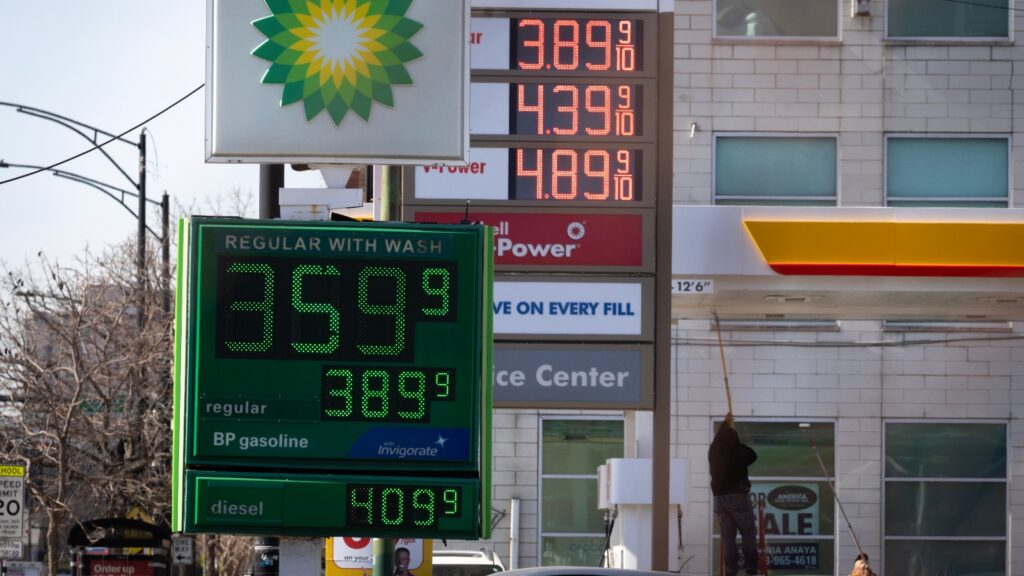
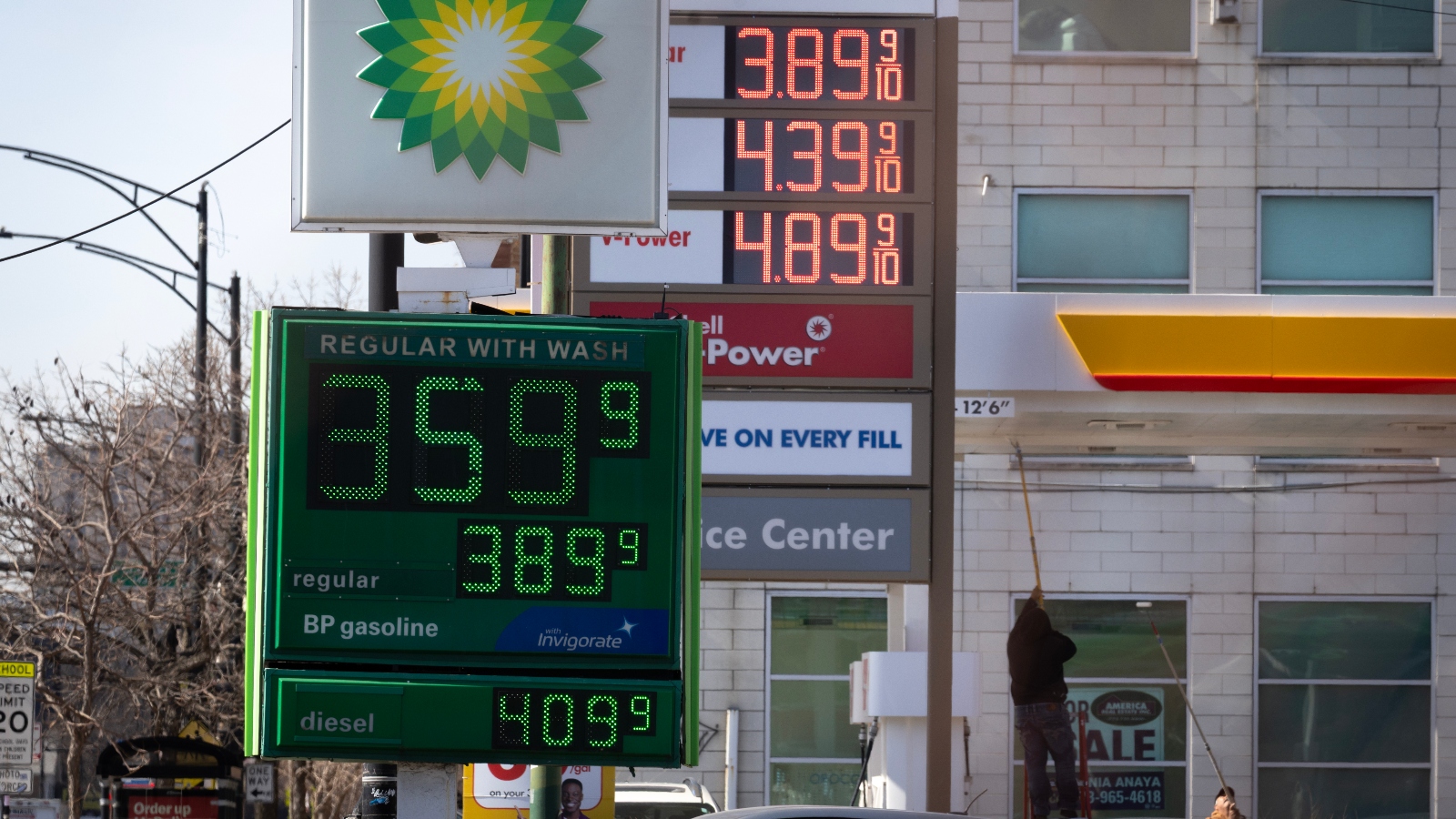
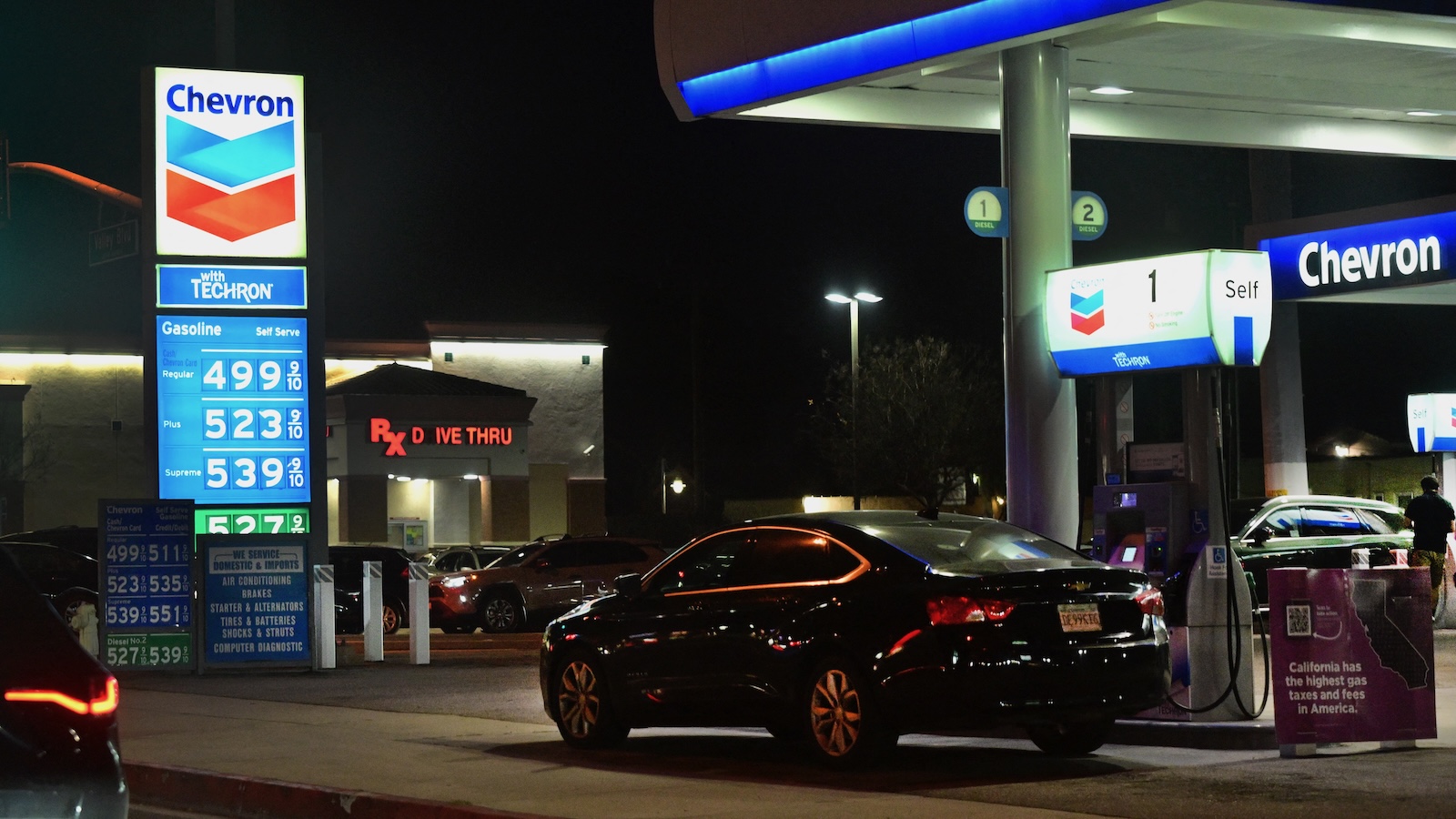
The Persian Gulf is a linchpin of the planet’s oil and gas production; normally, roughly one fifth of global oil and gas flows through the strait. Now, as it remains embattled, oil and gas prices have surged, and many experts warn an energy crisis is imminent. Restaurants across India are scaling back operations and warning of closures amid fuel shortages from the maritime blockade, while cooking gas prices are spiking in Sri Lanka.
Another world crisis sparked by the war in Iran may also be in the offing. That’s because the region’s oil and gas production has made it one of the world’s leading exporters of nitrogen fertilizers, which are indispensable to the global food system. To produce the chemicals used to grow much of the planet’s crops, natural gas is broken down to extract hydrogen, which is combined with nitrogen to make ammonia, and then mixed with carbon dioxide to make urea. All told, nearly a third of the global trade for nitrogen fertilizer passes through the Strait of Hormuz, while almost half of the world’s sulfur, essential in producing phosphate fertilizers, also travels through the corridor.
The waterway is a lifeline for food, too. Palm oil exports coming from Southeast Asia face potential major disruptions. Grain shipments headed to Gulf countries reliant on rice and wheat imports have been stalled.
“A worrying amount of food, or inputs into modern agriculture, are going through this very small channel,” said Ginni Braich, a data scientist who studies food insecurity at the University of Colorado Boulder’s Better Planet Laboratory. She estimates that the strait is in the top 20th percentile of all the worlds’ transportation corridors just based on the sheer volume of food that passes through it. The sudden and cascading effects of trade halting through the waterway, according to Braich “really underscores how interconnected everything is, and how fragile… just any small amount of disruption can have huge aftershocks that reverberate all around the world.”
The timing, says Braich, could not be worse, as spring planting in the northern hemisphere — crop farmers’ biggest season — is approaching. “So, basically, vessels that were leaving the Middle East today would be arriving in mid-April,” she said. “Now, the fact that obviously nothing is leaving means that there’s going to be a large hole in the market for fertilizer.”
If the war persists, experts warn that the drop in supply and the increase of cargo insurance premiums and freight rates could raise prices for everyone along the supply chain. Unlike with oil, there is no meaningful strategic reserve for nitrogen-based fertilizer, so no equivalent stockpile to help buffer the shocks. While the U.S. does produce some of its own fertilizer, domestic producers cannot rapidly replace millions of tons of fertilizer supplies. Other countries more reliant on fertilizer imports from the Middle East, such as India, will be hit hard by the cessation of traffic on the strait. China, Indonesia, Morocco, and several sub-Saharan African nations are also expected to be affected by the global gridlock of sulfur exports flowing from the Gulf.
Moreover, Braich warns, any prolonged increase in shipping and inventory costs “is going to be felt by the consumer.”
For some, the impact is already here. Prices for key fertilizer products are up because of the war and expected to squeeze growers’ profit margins — which could lead farmers to ration fertilizer use, reducing yields, or even shift from planting input-intensive crops. U.S. Agriculture Secretary Brooke Rollins told reporters in Atlanta, Georgia on Tuesday that the Trump administration was “looking at every possible option” to address “skyrocketing” fertilizer costs for U.S. farmers “based on actions on the other side of the world.”
About 4 billion people on the planet eat food grown with synthetic nitrogen fertilizers. Roughly half of the global population, in other words, is alive because of these chemicals converted into nutrients for plants, says Lorenzo Rosa, who researches sustainable energy, water, and food systems at the Carnegie Institution for Science at Stanford University.
Of course, the fact that natural gas is the key to mass-producing synthetic fertilizers carries its own terrible climate implications. Together, manufacturing and applying synthetic fertilizers to fields and farms accounts for over 2 percent of global greenhouse gas emissions — just about equal to the CO2 emissions from global aviation. There are low-emissions alternatives to this process, Rosa argues: nitrogen could be recycled from waste, and natural gas plants could be powered by local or renewable energy sources and built closer to the farms that require fertilizer.
Normally, the fossil-fuel based, centralized — and, thus, fragile — supply chain for fertilizer and food is far cheaper than its alternative. But major shocks like the U.S.-Israel war against Iran expose the dangerous vulnerability of that system, as efficient and financially sound as it may be. “At some point, a country will have to decide: ‘Do I want the cheap fertilizer, importing it from the Strait of Hormuz, or another country? Or do I prefer to pay a green premium and have my own domestic production and energy and food security?’” said Rosa.
USDA Secretary Rollins acknowledged this vulnerability in Tuesday’s press conference. “We are getting almost all of our urea, almost all of our phosphate, almost all of our nitrogen from other countries around the world, and that has to stop,” she said.
The catch, however, is that decentralizing this supply chain could inadvertently create a green divide — splitting the world between the nations and farmers who can afford domestically produced fertilizer, and those who can’t. Many countries confronting widespread famine in Africa, for instance, already pay the highest fertilizer prices in the world and are unable to withstand further inflation.
“There are many stops along the way from closing the Strait of Hormuz to a child in Malawi being fed,” said Cary Fowler, president of the nonprofit Food Security Leadership Council and former U.S. Special Envoy for Global Food Security in the Biden administration. “The clear thing is that those two things are connected.”
The same countries that stand to face the most harmful food security effects because of the conflict in Iran are also the ones struggling to feed their citizens following the collapse of global food aid after President Donald Trump dissolved the U.S. Agency for International Development, or USAID, last year. Emergencies like these are where the international community’s response becomes increasingly important, says Fowler.
In addition to the dissolution of USAID, which halted international research efforts and initiatives to improve farming practices in lower-income nations, the World Food Programme has in recent months sounded the alarm over historically low donations from the U.S. and other major Western donors.
“If we don’t invest in that sustainable productivity growth, then we put ourselves in a situation where we’re going to need a lot more humanitarian aid, particularly when there’s flare-ups like we’re experiencing now,” said Fowler. “And that gives us another choice — whether to provide that humanitarian aid or not. And that’s a choice of whether we want to, at least in the short-term, solve the problem. Or do we want to watch children starve to death on TV?”
It’s not clear how long the strait will remain closed, although Trump has swung between stating the war with Iran could stretch on through April, if not longer, and declaring it nearly done. Last week, the president announced that the U.S. might begin to escort oil tankers through the embattled channel. “No matter what, the United States will ensure the FREE FLOW of ENERGY to the WORLD,” Trump wrote on social media, before later declaring “death, fire, and fury” if Iran continues its shipping blockade. On Sunday, he told Fox News that ships holding there should “show some guts” and push through.
The president made no mention of fertilizer — or food.
Rahul Bali of WABE, Atlanta’s NPR station and a Grist partner, contributed reporting.
This story was originally published by Grist with the headline The war in Iran could plunge the world into hunger on Mar 11, 2026.