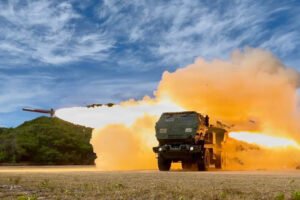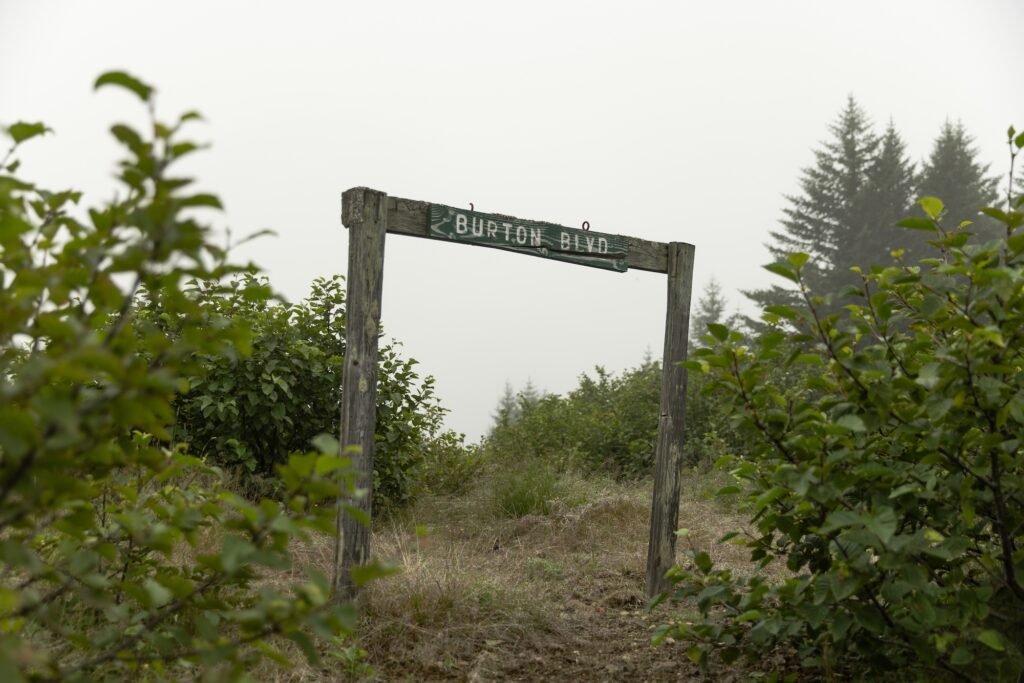
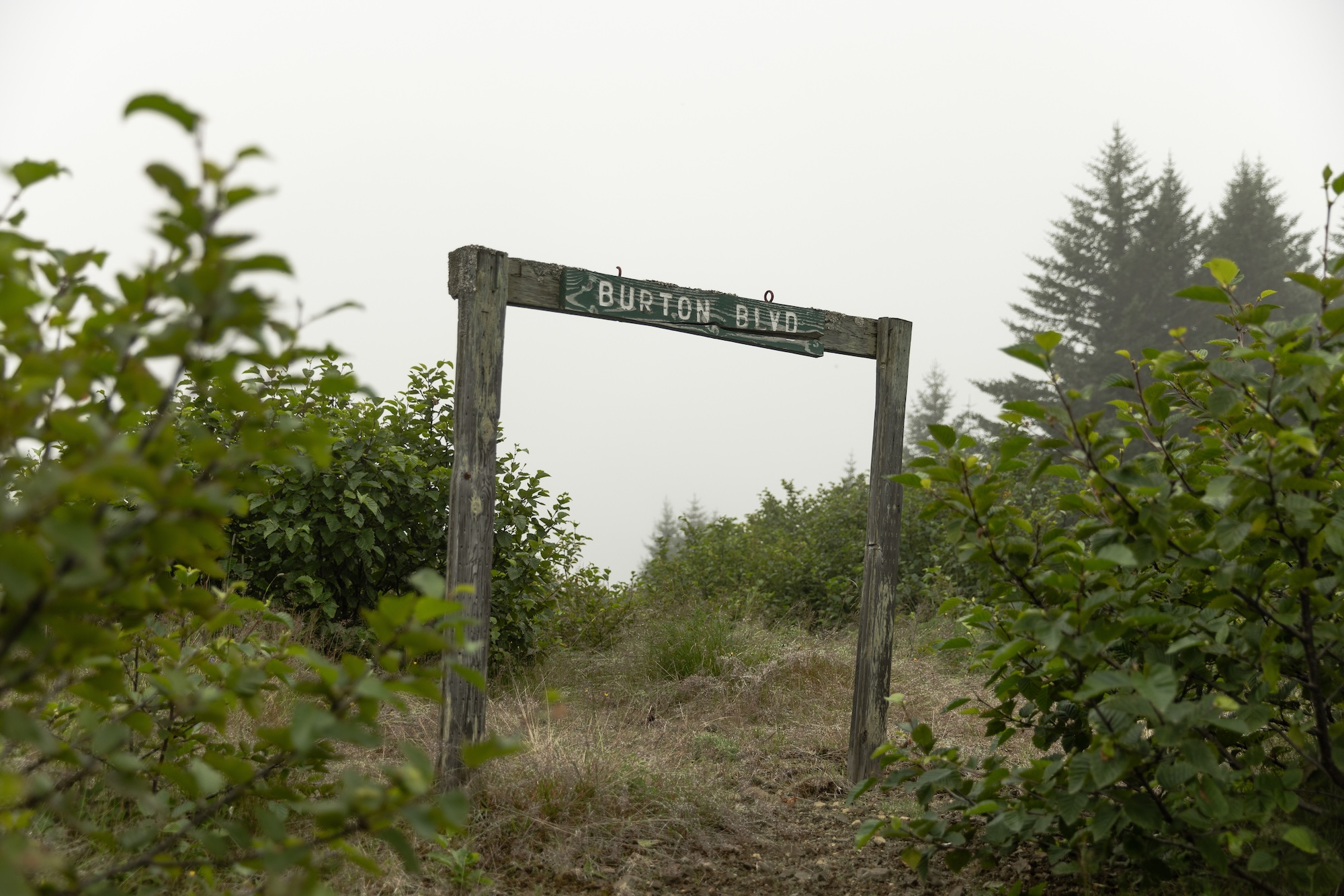
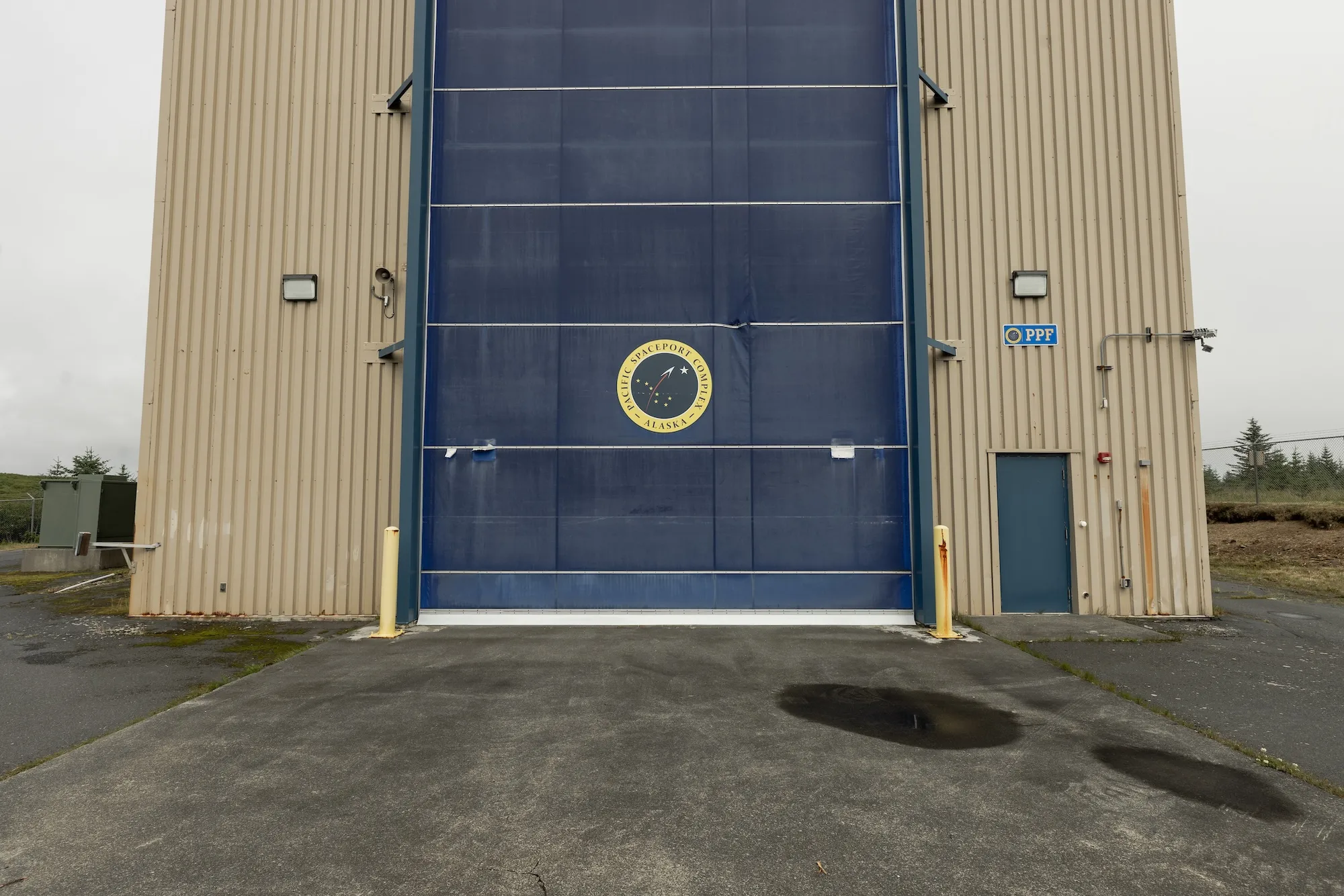
Last August, Christine Burton got an unexpected call from her sister, an employee at the Pacific Spaceport Complex in Kodiak, Alaska. The state-owned facility was about to conduct an unannounced test launch of what was likely a hypersonic missile and would be closing the only road that runs from the center of town to the site. Burton knew the drill. She and her husband, Buck, owned and operated a 140-acre bison ranch that abuts the Spaceport and, for the last couple of years, had had to deal with the many disruptions that came with it: road closures, accidents — at least five rockets have exploded or malfunctioned during takeoff, releasing debris and toxic material into the surrounding environment — and last-minute changes for clients hunting game on their land. Plus, their home is on the same two-lane road to the facility. When the road is shut down, the Burtons and their six children are effectively stranded.
Usually, they’d get a couple of days’ notice, allowing them time to make any necessary arrangements. But this time there was no such buffer. Her sister had called to let her know that the road would be closed that evening for the test launch, so Burton left work early and drove home. Then, about a half hour later, she observed an unmarked security vehicle blocking her driveway. This, more than anything, she found infuriating. Her 6-year-old was sick, and whoever was overseeing the launch was essentially telling her not just that she couldn’t drive into town, but also that she couldn’t leave her house.
The launch, it turned out, was delayed until the following night. On August 21, 2025, around 10 p.m., a massive rocket streaked across the sky before breaking up somewhere over the Pacific. Videos posted to Facebook, X, and other social media captured its flight path, with one viewer wondering if it had been a nuclear weapon fired from Russia.
The Alaska Aerospace Corporation, which operates the Spaceport facility, later released a statement explaining that it had carried out “a successful government rocket launch,” and that the people of Kodiak (with a population of over 12,000) should be proud of their role in “the United States’ space legacy.” But the information blackout the U.S. military required for this launch was unprecedented and even ruffled feathers within Alaska Aerospace. The Spaceport had prepared a press release and public notice that it wanted to share with the local media a few days before the launch. But government officials wouldn’t allow it. They wouldn’t even let Spaceport staff tell Alaska’s Department of Transportation about the road closure.
“It was the government that put the handcuffs on us,” Alaska Aerospace’s CEO, John Oberst, told colleagues at a board meeting in Kodiak a few weeks later.
For the Burtons, it was an ominous sign, the beginning of a new era of secrecy around the launch facility and militarization of Kodiak Island itself. Founded by the state of Alaska in 1991, Alaska Aerospace was originally billed as a “public corporation” that would focus primarily on “space-related economic growth” and “space-related educational and research development by encouraging and assisting the University of Alaska,” according to the state statute establishing it. Unlike Cape Canaveral Space Force Base in Florida or Vandenberg Space Force Base in California — two of the country’s busiest launch facilities — it was the first commercial spaceport not affiliated with a federal installation.
Stacy Studebaker, a Kodiak resident and longtime critic of the facility, said that officials used to tout its public-facing nature and potential to contribute to the local economy. “They claimed from the beginning that this would be a commercial launch site,” Studebaker said.
But in the last couple of years, the tone has shifted. Alaska’s proximity to Russia and China, viewed as the U.S.’s primary threats and competitors in the region, and existing Cold War-era infrastructure, have made places like Kodiak highly attractive to military planners. At the same time, a rapidly warming Arctic is accelerating the competition for resources, including minerals and rare earth metals, and for control of shipping lanes, while also exposing infrastructure to the threat of worsening storms and sea level rise. This quest for “Arctic dominance” has heightened the risk of accidents — an oil tanker capsizing in the Arctic Ocean, for example — or outright military conflict.
The Trump administration is planning to invest billions of dollars in Arctic security, including its Golden Dome missile defense system — a complex, layered defense shield incorporating “space-based sensors and interceptors,” designed to protect the United States from incoming missiles.
Much of the project has been cloaked in secrecy. But in September, the Air Force announced for the first time that it had deployed weapons in orbit to guard against “hostile adversary action.”
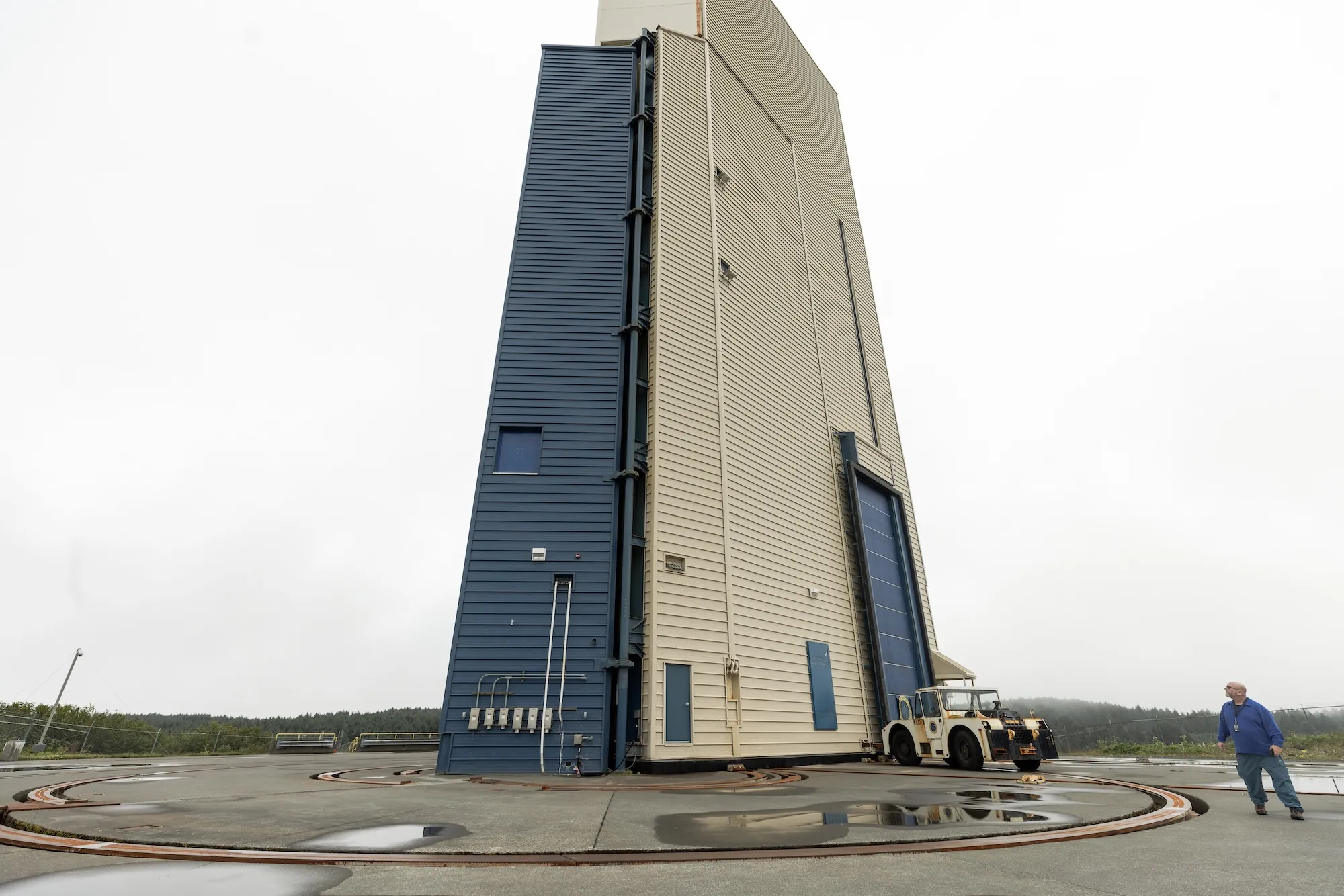
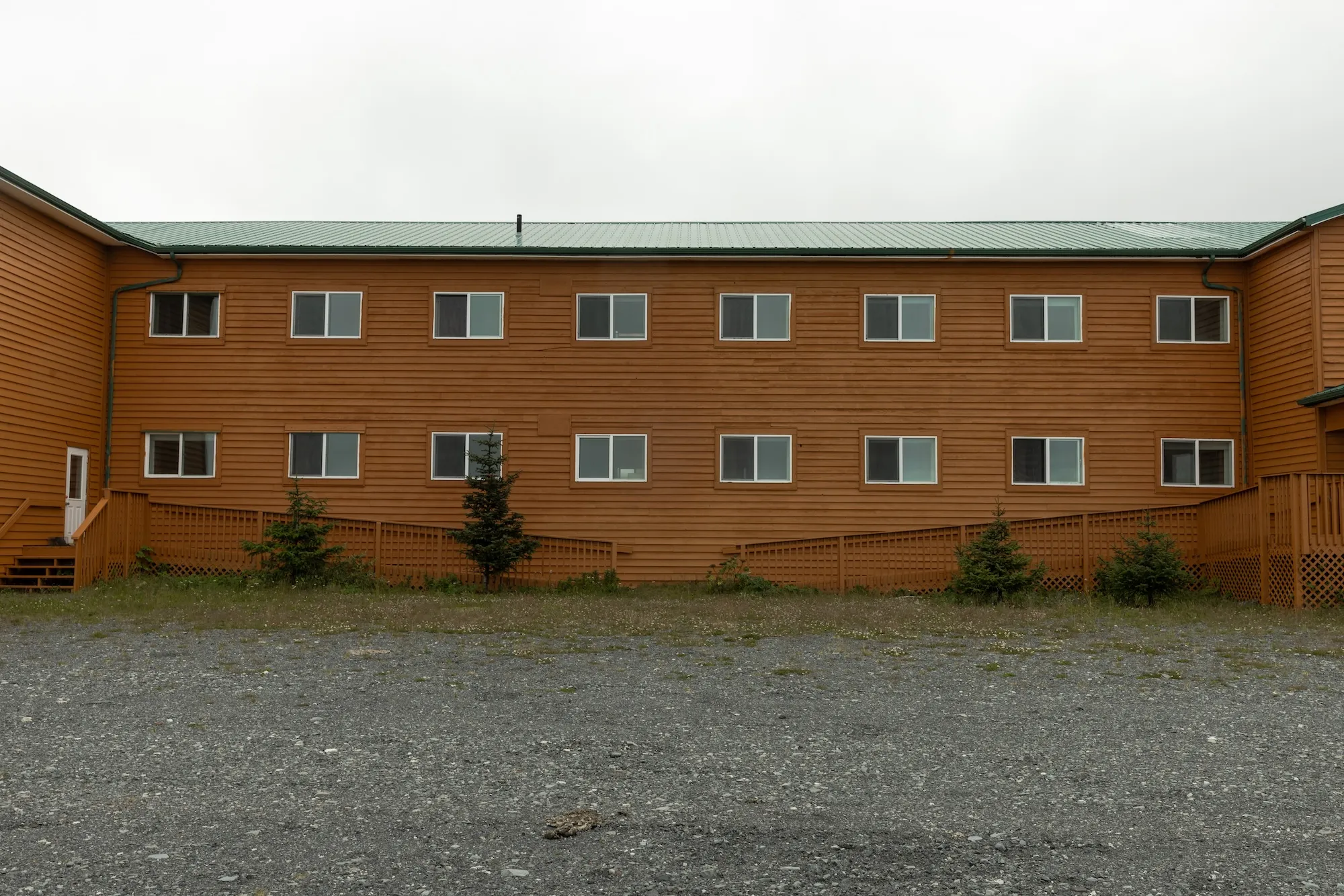
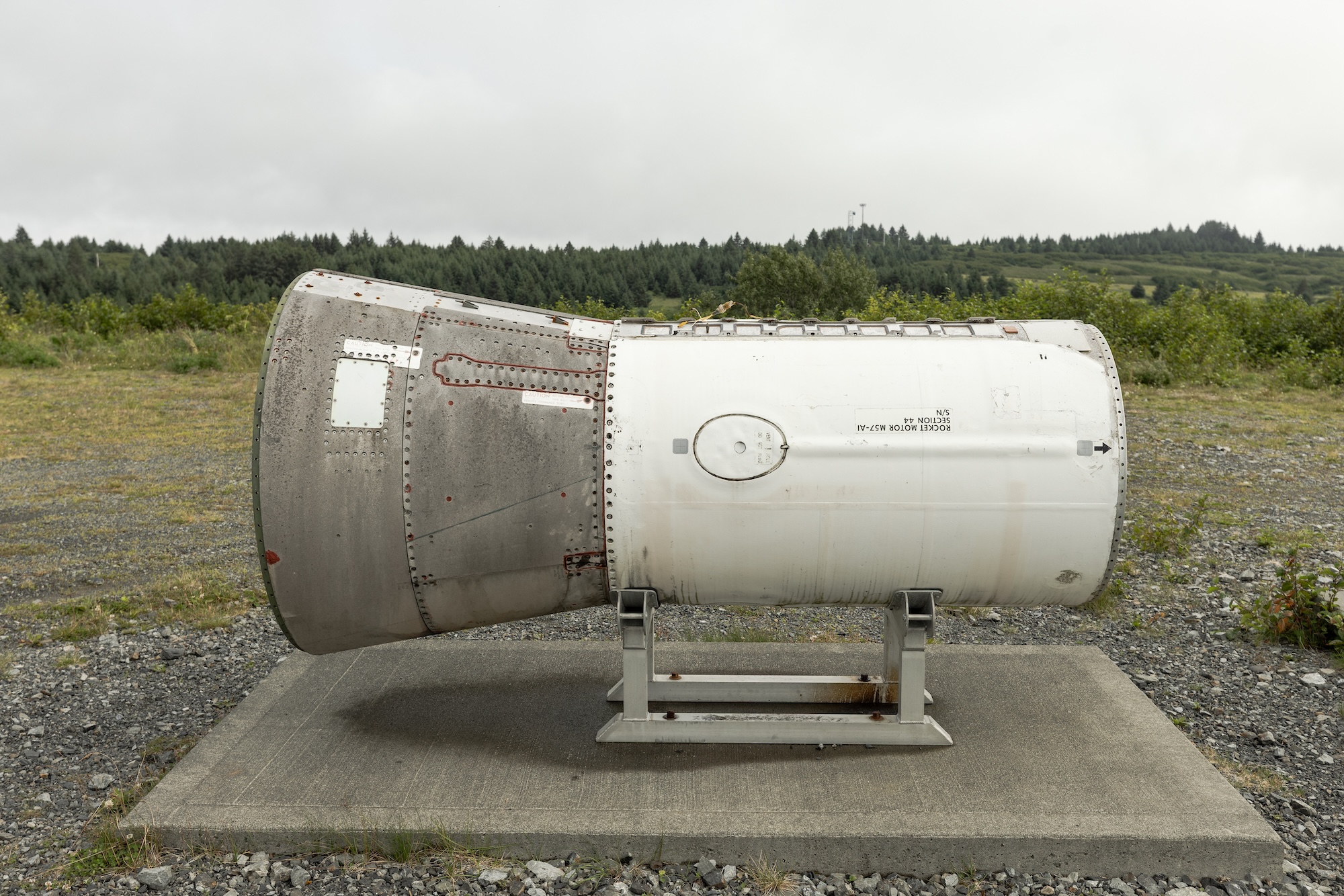
All of this means a potentially dramatic increase in launches from the Spaceport. In July, Rocket Lab, a private aerospace company, announced that it had signed a $266 million contract with the U.S. Air Force for missile defense testing, which will entail up to 18 suborbital launches at the facility over the next two years. And in the last year, the Spaceport was allocated up to $45.5 million from the federal government to upgrade the facility. It plans to modernize several of its launch pads and build a new 10,000-foot airstrip as well as a large lodging facility to accommodate government employees and private contractors, according to Oberst.
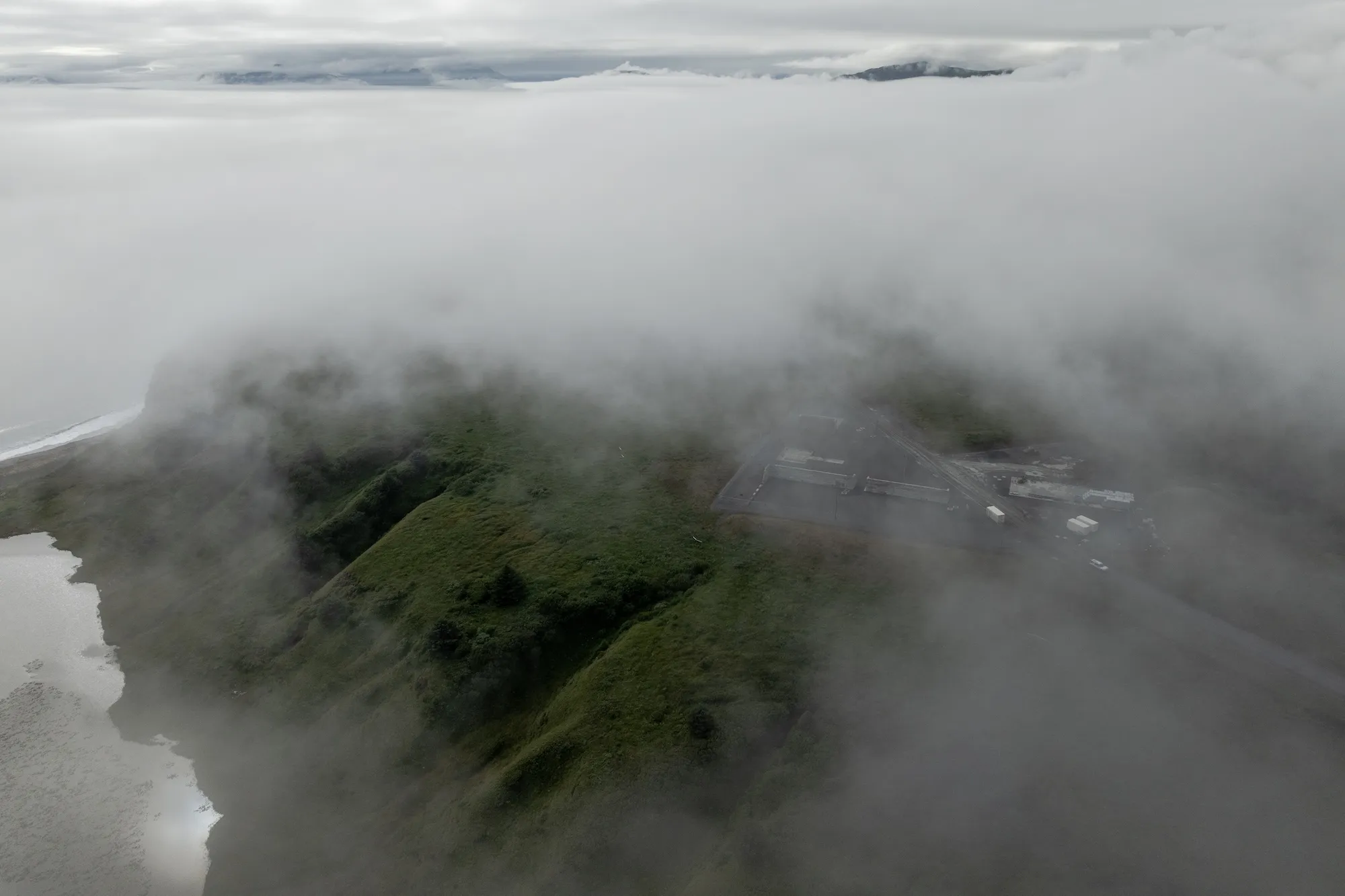
Alaska Aerospace’s 2025 annual report states that the Spaceport is “actively planning for increased launch cadence” and could see an exponential increase in activity — from one to three launches per year to one to three per month. Since opening nearly three decades ago, the Spaceport has performed a total of 35 launches. Now, it could potentially exceed that figure in a single year.
Alaska Aerospace also has ambitions to grow beyond Kodiak. It has partnered with the University of Alaska Fairbanks to facilitate orbital and suborbital launches out of the university’s Poker Flat Research Range, north of Fairbanks, and is looking at a possible launch site on Alaska’s North Slope at Oliktok Point.
“Spaceports are like beachfront property,” Oberst said in a press release announcing the agreement with the university in June 2025. “Very few and in high demand.”
This activity comes as the Trump administration is loosening regulations for commercial space operations and speeding up the permitting and review process for launches. The goal is to expand the number of launches nationwide from roughly 200 last year to 1,000 every year by the end of the decade (and as many as 10,000 launches a year by 2035), as outlined in a recently released National Security Presidential Memo, and marks the beginning of what President Donald Trump has called the “golden age of space transportation.” Achieving that goal will require not only new infrastructure, but also fast-tracking the environmental review process for launches and the construction of new spaceports.
In an executive order issued last year, Trump called for streamlining the licensing requirements for commercial launches. More recently, the Federal Aviation Administration announced a new rule that would allow private companies such as Elon Musk’s SpaceX and Jeff Bezos’s Blue Origin to bypass more than a dozen regulations, including longstanding environmental laws like the National Environmental Policy Act, the Endangered Species Act, and the Clean Water Act when applying for launch permits or construction of new spaceports.
Earthjustice, an environmental advocacy group that has criticized the FAA’s rule, says the rapid increase in launch activity poses risks to public health and the climate, many of which have yet to be studied.
“One of the main goals of this deregulatory push is just to massively increase commercial space activity,” said Scott Stern, a senior attorney at Earthjustice. “And the whole point of our environmental review statute is not necessarily to impede activity. It is to make sure that it’s being done safely and that it is not unduly harming the human environment, wildlife, clean air, clean water, and our own communities.”
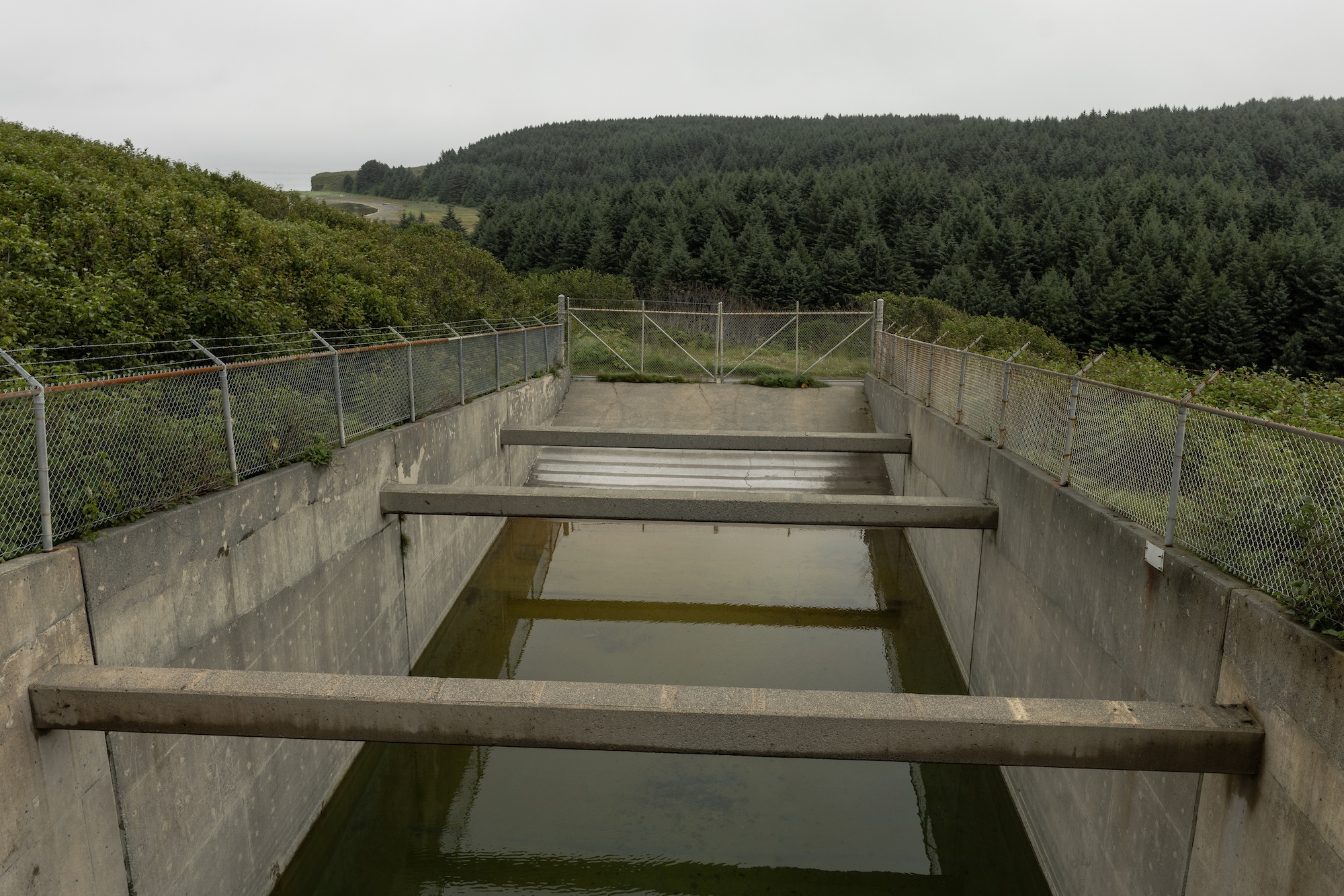
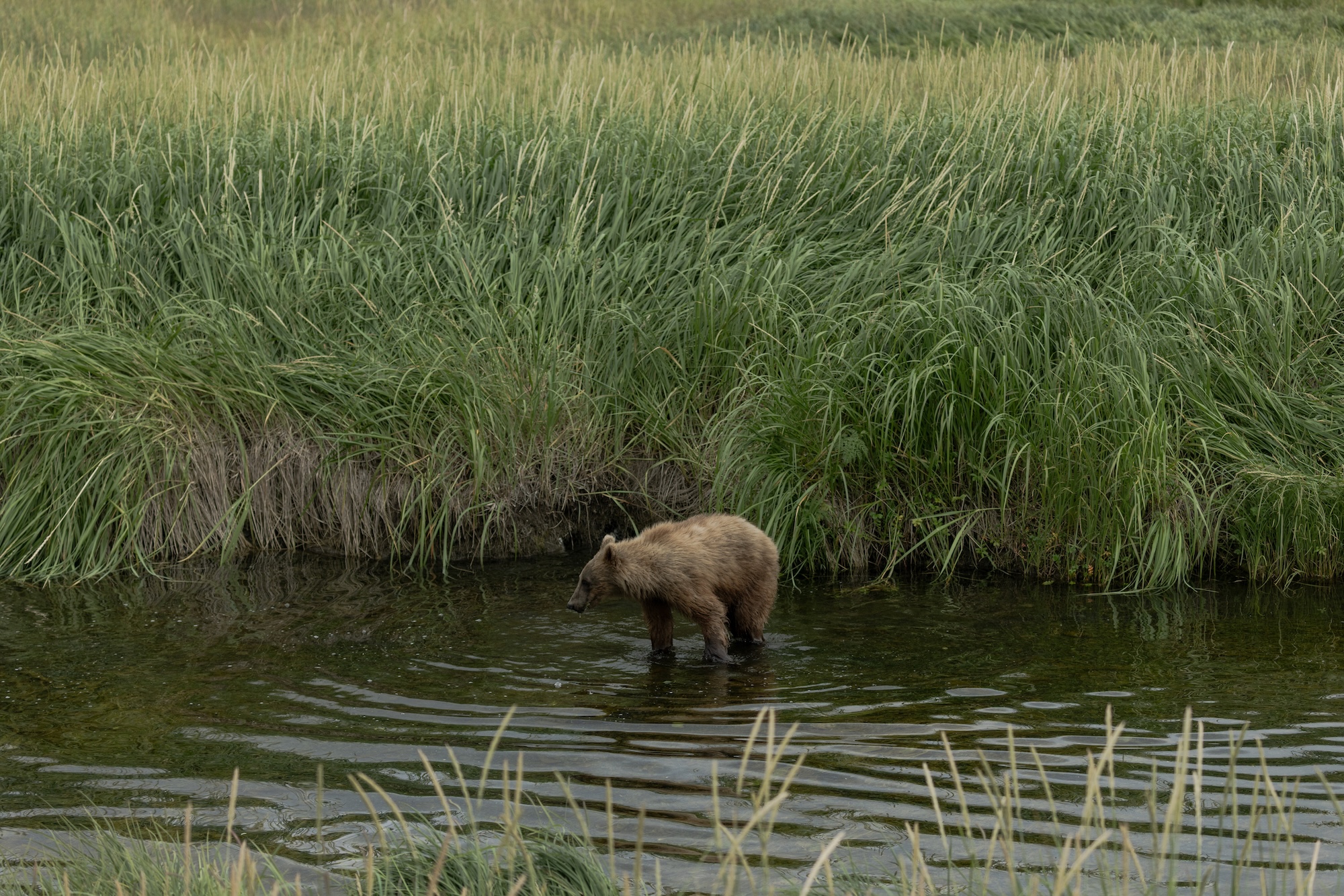
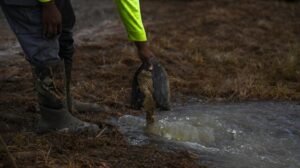
A cooling pool outside a rocket launch site, left, is designed to capture some of the heat from a launch so that it doesn’t burn the local terrain. Some locals complain that the rocket launches are disruptive and could contaminate the surrounding environment. Along the 35-mile road between the Kodiak airport and rocket launch facility, a brown bear, right, walks through the landscape. Nathaniel Wilder
The scientific community has only recently begun revisiting the impacts of air pollution from rockets — including black soot and other toxic chemicals released during takeoff. One study published by researchers at University College London in 2022 found that a surge in rocket launches on a scale being proposed by the Trump administration could threaten progress in restoring the ozone layer over the past four decades and accelerate global warming. An emissions tracker created by the research team estimates that in the last five years alone, the amount of CO2 released into the atmosphere from rocket launches has increased by more than 300 percent.
Eloise Maraise, a professor of atmospheric chemistry and air quality at the university and the study’s lead author, said interest in the subject is now starting to attract significant funding opportunities because there’s been a realization that the impacts could be far-reaching. She described herself as being in the unenviable position of “forecasting an upcoming environmental disaster.”
It’s not just missile defense that is driving investment in Kodiak. The U.S. Coast Guard, which operates its largest base on the island, is slated to receive two new 328-foot polar icebreakers in the coming years (a third will have its home port in Seward, just to the north). The government is already building 30 new housing units, a child development center and playground, and other infrastructure improvements to accommodate the influx of personnel. There’s also been a flurry of construction at the highly secretive Navy Seal cold-weather training base in Kodiak, fueling rumors about what may be coming. All of this new activity is raising concerns among residents and local officials that the island’s energy grid, which is already nearing capacity, will not be able to accommodate the new development.
Meanwhile, Senator Dan Sullivan, a Republican, has advocated for reopening the U.S. base on the island of Adak, part of the Aleutian archipelago southwest of Kodiak, which served as a staging ground for the Navy during World War II. The flight path over these islands is being turned into what Alaska Aerospace has dubbed the “Pacific Test Range,” which will be used to pilot “hypersonic vehicles, orbital launch, and other advanced aerospace systems.”
Given these changes, the Burtons sold most of their property, which had been in the family since the 1960s, to Alaska Aerospace for $2.4 million in February. (They kept their home and 20 acres.) Christine Burton said it no longer made sense to hold onto the land. The increase in launches would have made it too difficult to operate their game ranch, and she feared the Spaceport’s new military focus meant the government would have found a way to seize the property by eminent domain.
“We saw the writing on the wall,” Burton, who grew up in a military family, told me.
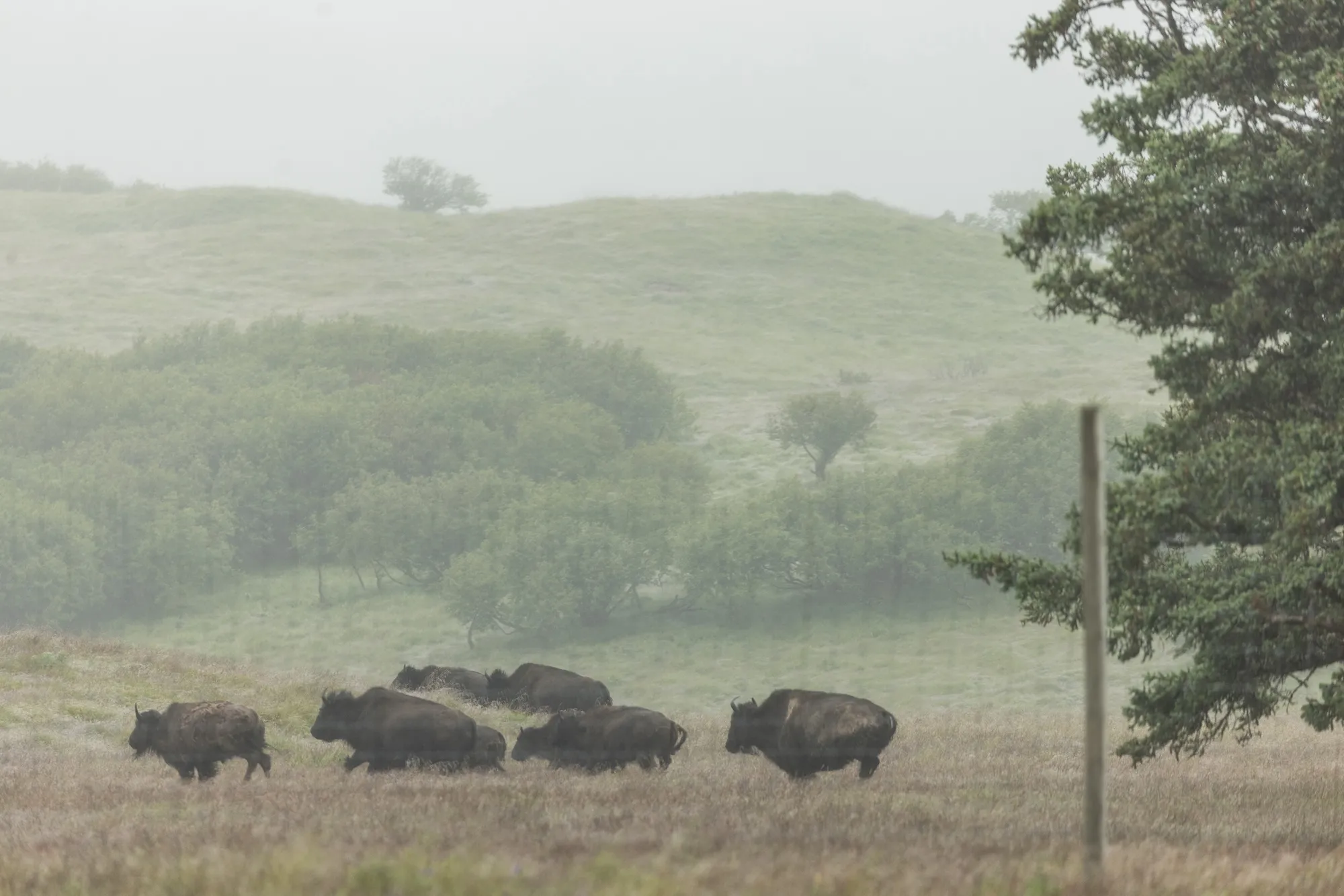
Alaska Aerospace hasn’t said much about what it plans to do with the 139.5 acres of land, close to popular hiking trails and beaches where visitors can watch gray whales make their way north in the summer. More than 150 bird species, several of which are at risk of extinction, also frequent the area along the island’s eastern edge, known as Narrow Cape. In addition to the new lodging complex, Alaska Aerospace officials have also resurrected a controversial plan to install a barge dock at the mouth of the Pasagshak River that would allow them to get heavy equipment to the site, but which could impact salmon and other species.
Taken together, the expansion of the Spaceport and other defense installations on Kodiak will transform this rugged island into a hub of military activity in just a few short years. What Kodiak Mayor Jared Griffin described to me as a “sleepy working-class fishing town” is poised to become the tip of the spear in a new battle for control of the Arctic.
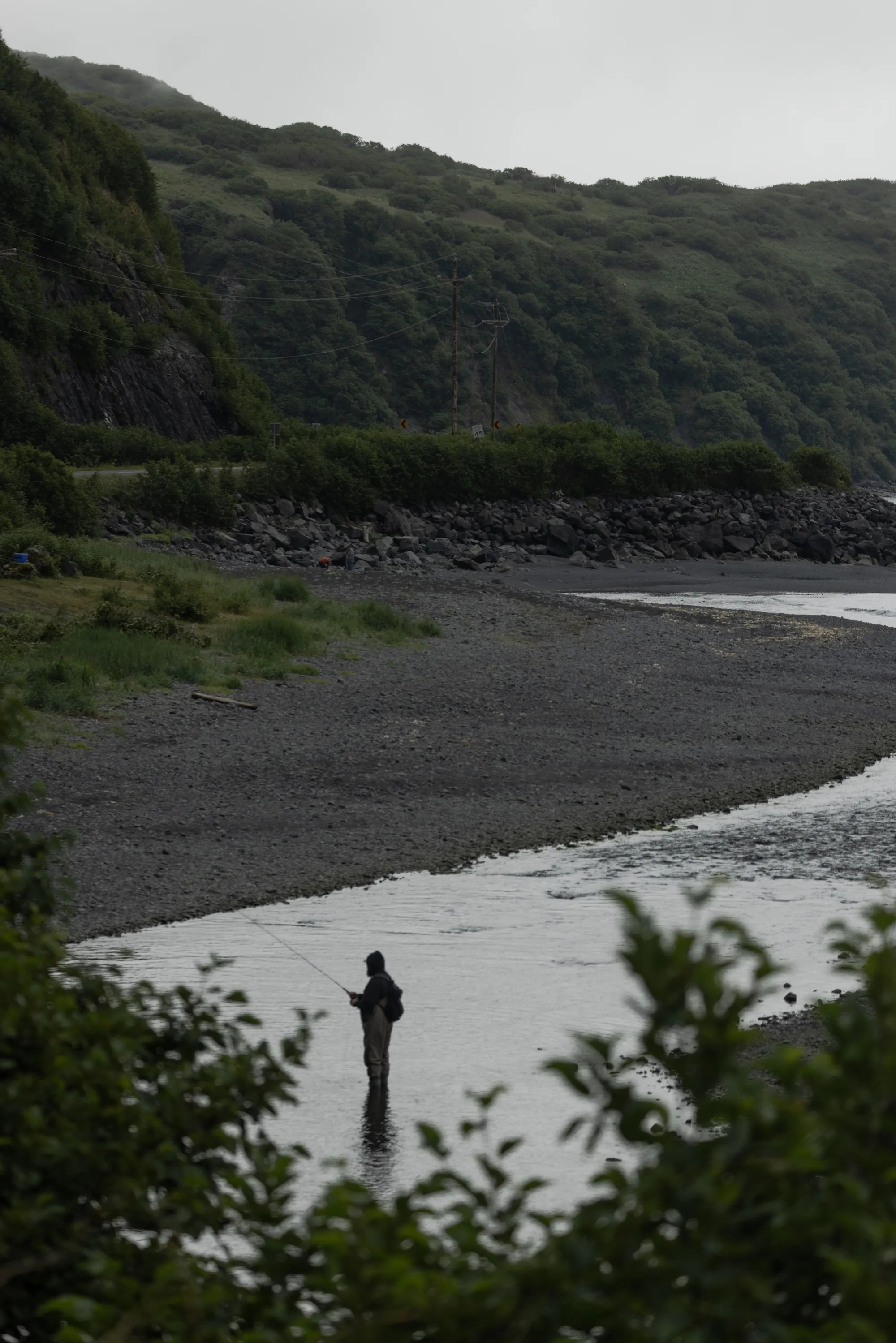
Kodiak is the second largest island in the United States and one of Alaska’s most important commercial fishing hubs. A one-hour flight from Anchorage, it flanks the eastern edge of a volcanic island chain that extends more than 1,000 miles into the Bering Sea along the Russian border.
Although the Trump administration has been fixated on exerting more control over Greenland, and the president himself has frequently referred, falsely, to the ubiquitous presence of Russian and Chinese ships in the North Atlantic, there’s been far more tension and potential for conflict along Alaska’s coast. The U.S., Russia, and China are all competing for control of these waters and the riches that lie beneath them, including oil and gas, rare earth metals, and highly lucrative commercial fish stocks such as crab and pollock. China, which declared itself a “near Arctic State” in 2018 and is rapidly expanding its own fleet of icebreakers, now routinely sends research vessels to the Bering Sea near the U.S. border on the way to the Arctic.
As warming waters melt the sea ice that once blanketed much of the Arctic Ocean — the Arctic is warming four times faster than the rest of the planet — shipping access will only increase. Russia has already invested tens of billions in developing the Northern Sea Route, which runs along its roughly 3,500-mile-long Arctic coastline and would slash the amount of time it takes for oil and gas to reach East Asia. The world’s superpowers also have their sights set on commercial fishing opportunities in the Arctic Ocean, though it is currently protected by an international treaty.
Tensions have already spilled out into the open. In 2023, a Chinese spy balloon entered U.S. airspace north of the Aleutian Islands and drifted across the continental United States before being shot down off the coast of South Carolina. And the U.S. has intercepted several Russian fighter jets — and one joint Russian-Chinese mission — in the Alaskan Air Defense Identification Zone near the Bering Strait. One encounter in 2024 came dangerously close to an outright collision.
These sensitivities extend to the Spaceport. Oberst, the Alaska Aerospace CEO, said last year’s launch was kept quiet until the last minute because the government “didn’t want anybody, especially the adversaries, to be aware of the timing or the detail of it.”
Though Democratic and Republican administrations have both sought to project power in the Arctic — the Army released a report in 2021 titled “Regaining Arctic Dominance” — Trump has placed a premium on reasserting U.S. primacy in the region.
The Golden Dome project, which the Congressional Budget Office has estimated will cost more than $1 trillion, is the crown jewel in his plans. The system, which Lockheed Martin has described as a “Manhattan Project-scale mission,” would use land, air, and space-based sensors and interceptors to stave off an incoming attack.
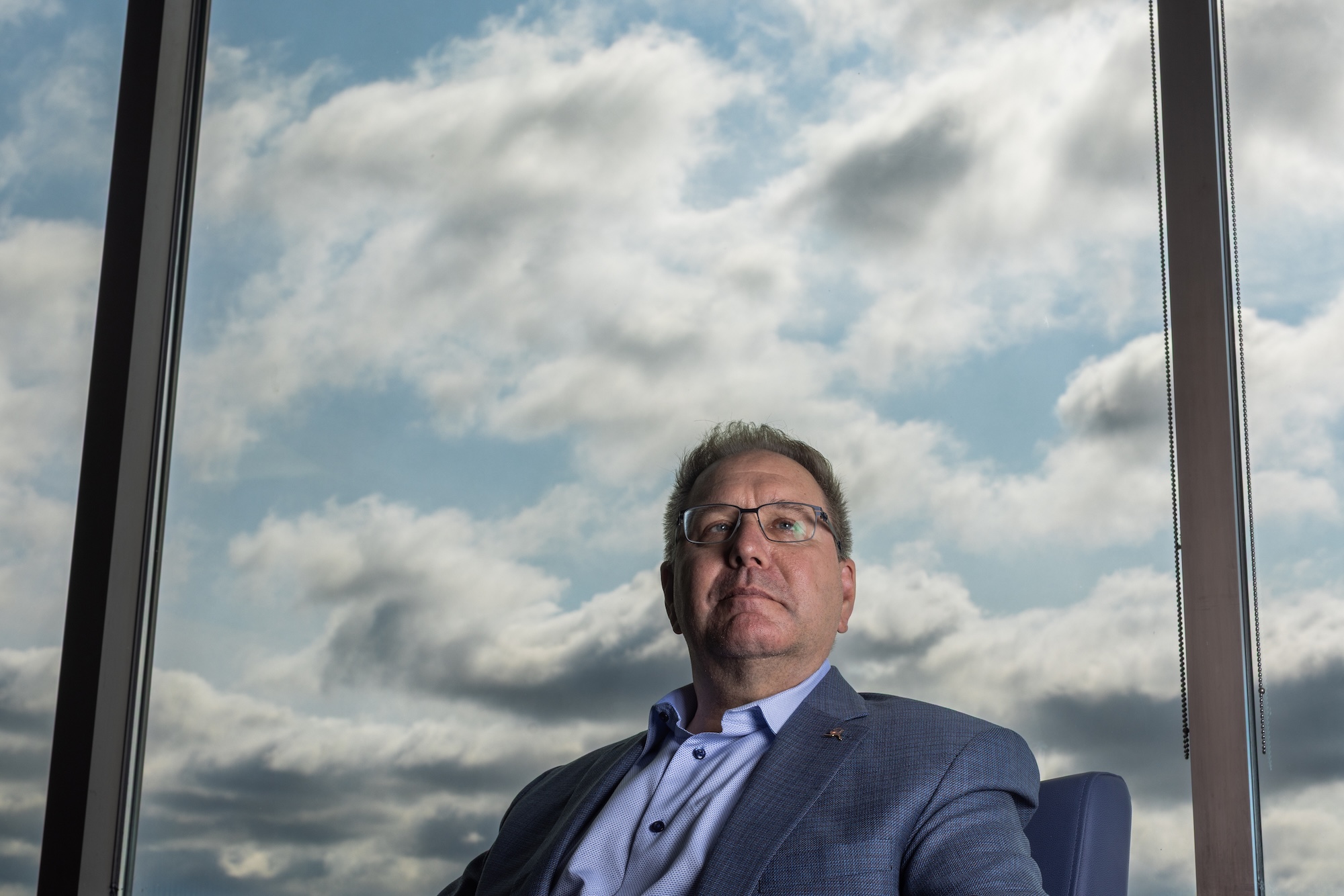
“Golden Dome is the main driver for business for the next three-to-five years,” Oberst told colleagues at Alaska Aerospace’s annual board meeting last year. “It’s the national imperative. So it supersedes other missions.”
Commercial launches aimed at environmental research or scientific discovery, the suggestion seemed to be, would have to take a back seat.
Money has already begun to flow into Alaska, and Kodiak in particular. Beyond the tens of millions of dollars for upgrades to the Spaceport, the facility is also one of hundreds of contractors considered eligible for up to $151 billion in government funding related to Golden Dome over the next decade. Alaska Aerospace has also signed a memorandum of understanding with Moonshot Space, an Israeli aerospace start-up whose CEO helped develop the Iron Dome, Israel’s missile defense shield. The company is currently developing an electromagnetic launch technology that would operate out of Poker Flat.
Shahar Bahiri, one of Moonshot’s co-founders and its chief operating officer, told me Alaska is attractive precisely because of its large open spaces and low population density. “What we want to have is an area which is open sea … very low air traffic, very little sea traffic, not a lot of civilians around the launch area, and not a lot of nature,” he said.
Meanwhile, the Defense Authorization Act for 2027, which still has to get through Congress, would provide $2.6 billion for military assets across the state, including the continued expansion of Kodiak’s launch capacity. Sullivan, in an op-ed published earlier this year, said Alaska is “in the midst of the most significant military buildup … since World War II.”
Cold War-era military development and infrastructure is still visible in parts of Alaska. Distant Early Warning Line radar stations were set up across the Arctic, from the Aleutians to Greenland, and served as a kind of trip wire for Soviet bombers. The U.S. also tested nuclear weapons in Alaska in the 1960s and ’70s, including a series of underground explosions on Amchitka Island in the Bering Sea — despite opposition and a lawsuit from Native Aleuts — which killed up to 2,000 sea otters as well as thousands of sea birds and other wildlife. (In an editorial published a few days before the final test in 1971, the New York Times wrote, “The folly of Amchitka is the folly of a species that burns and poisons and blows up its only home.”)
Today, some of the most direct impacts of this new military buildup will be felt by people in places across Alaska. At board meetings and in op-eds, residents of Kodiak have expressed worries about the disruption and potential harm from new weapons testing, but also more mundane concerns such as what all the activity will mean for housing, roads, and the island’s energy supply.
A couple of days before I first spoke with Kodiak Mayor Jared Griffin in July, he’d toured the Spaceport with the undersecretary for energy, Kyle Haustveit, who was in town to learn about the island’s energy needs. Griffin, who was elected a year ago, grew up in Alaska in a military family and teaches English and literature at the University of Alaska at Anchorage’s Kodiak College. A self-described “space nerd,” Griffin believes Kodiak will benefit from the defense-related investments. He lobbied for the expansion of the Coast Guard base, which he said could bring an additional 300 to 500 people to the area, which has seen a decline in its population over the last decade. But he also recognizes that the infusion of federal dollars and personnel has the potential to change the character of the island.
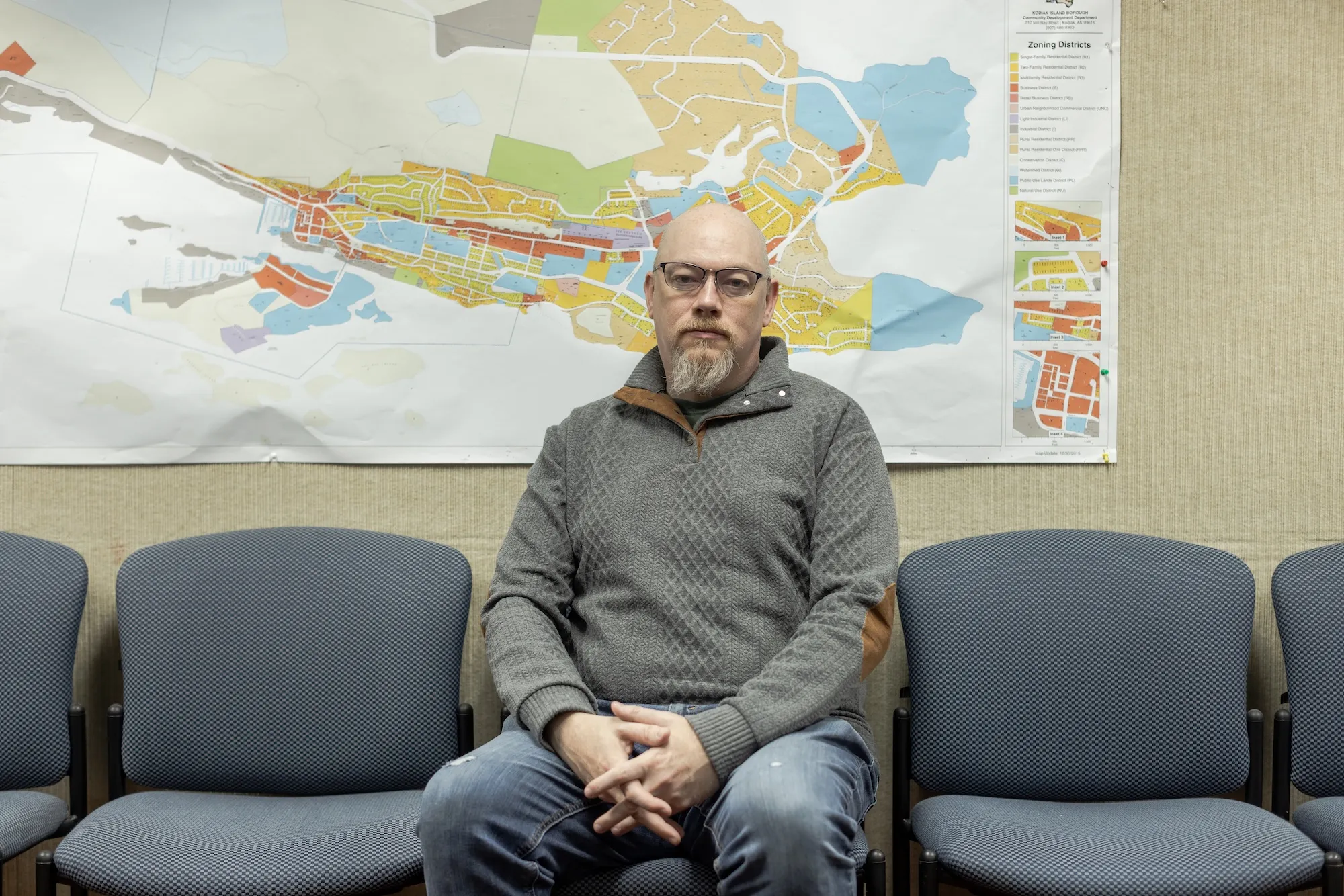
Griffin said that when he was campaigning for office last fall, most of these concerns weren’t really on the table. Over the past six months, however, interest in Kodiak’s role as a central military outpost in the Arctic has intensified. “Things are just exploding,” Griffin said.
Dan Menth, CEO of the Kodiak Electric Association, the island’s main electric utility, expressed a similar sense of disbelief in just how quickly the mood has changed. Over the past year, Menth said, the cooperative started receiving inquiries from federal agencies about Kodiak’s grid capacity as rumors swirled about new development, whether it was tied to Golden Dome or a broader military buildup in the Arctic.
“It’s kind of like the year ended and the floodgates opened,” Menth said.
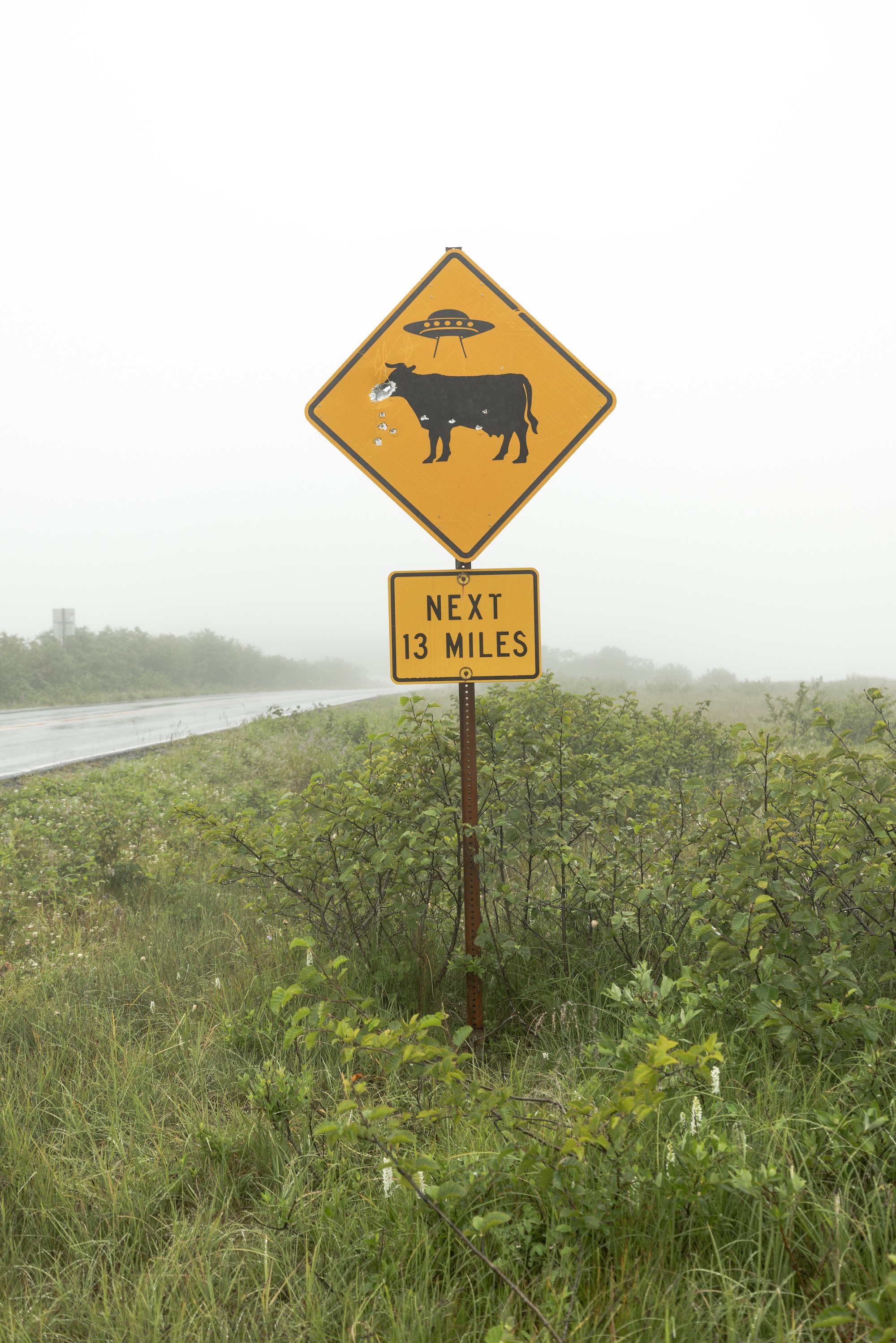
It was also unclear to Menth, and the rest of the island’s residents, what specifically the federal government had in mind and what it would mean for Kodiak. “What’s coming?” Menth asked when I spoke to him in August. “I don’t know.”
Secrecy surrounding construction at the Navy Seal training base has added to the sense that government officials are not being fully transparent. “Something was definitely happening last summer, and they were cryptic about it for sure,” said Natura Richardson, executive director of the Island Trails Network, which promotes access to Kodiak’s hiking trails, including a loop that skirts the naval base. (In a written statement, the Navy said it is constructing a new “operational facility,” that will be powered from the existing grid with backup generators for emergencies.)
The new projects will be an added challenge for the island’s electrical grid, which at certain times of the year, especially the height of fish processing in February and March, is nearly maxed out.
Kodiak relies on a mix of hydro and wind power that provides residents with affordable clean energy and can draw on backup diesel generators if necessary. Indeed, Kodiak has some of the least expensive electricity in Alaska, which is notable considering that Kodiak is an island in the Pacific Ocean.
“It takes years to add generation to our system,” Menth said. “It’s not like the Lower 48 where you just show up and you plug it in. We’re an island. And, unfortunately, we’re right on the verge of being tapped out.”
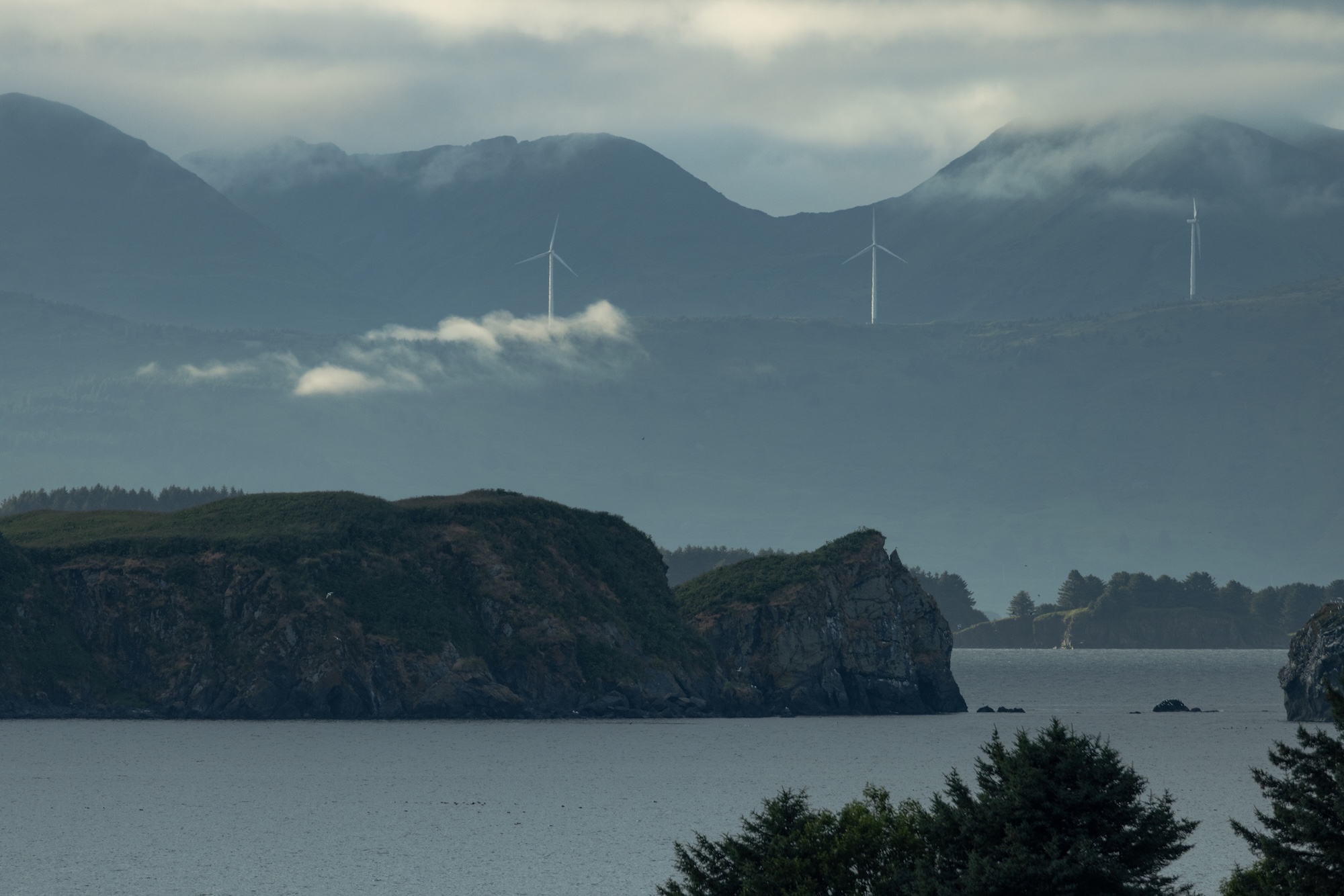
A representative from the Department of Energy said the federal agency is “focused on leveraging Alaska’s abundant energy resources and advancing practical solutions to deliver more affordable, reliable, and secure energy for Alaskan communities, including Kodiak.”
Some locals also worry about the island’s fragile ecosystems. There are rare and endangered bird habitat, grey whale migration corridors, and salmon streams — already facing threats from rapidly warming water. Marine mammals are especially sensitive to noise pollution, which will increase with more launches and shipping traffic. The Spaceport’s expansion will fragment important wildlife habitat. And with significantly more launches, there’s a greater chance that something will go wrong — as happened in 2014 when the Army’s experimental hypersonic missile exploded four seconds after takeoff, raining debris on the surrounding area. The mishap led to a multiyear $34-million reconstruction project, according to an Alaska Aerospace presentation. (There have been at least five launch failures that have ended in explosions or accidents.)
Stacy Studebaker, who moved to Kodiak in 1980 after working for the National Park Service, says her biggest fears are that the military buildup and increase in launch activity will block access to public lands and beaches and result in environmental contamination. She also worries about the proposed barge landing dock at the mouth of the Pasagshak River, not far from where she and her husband have a seasonal cabin.
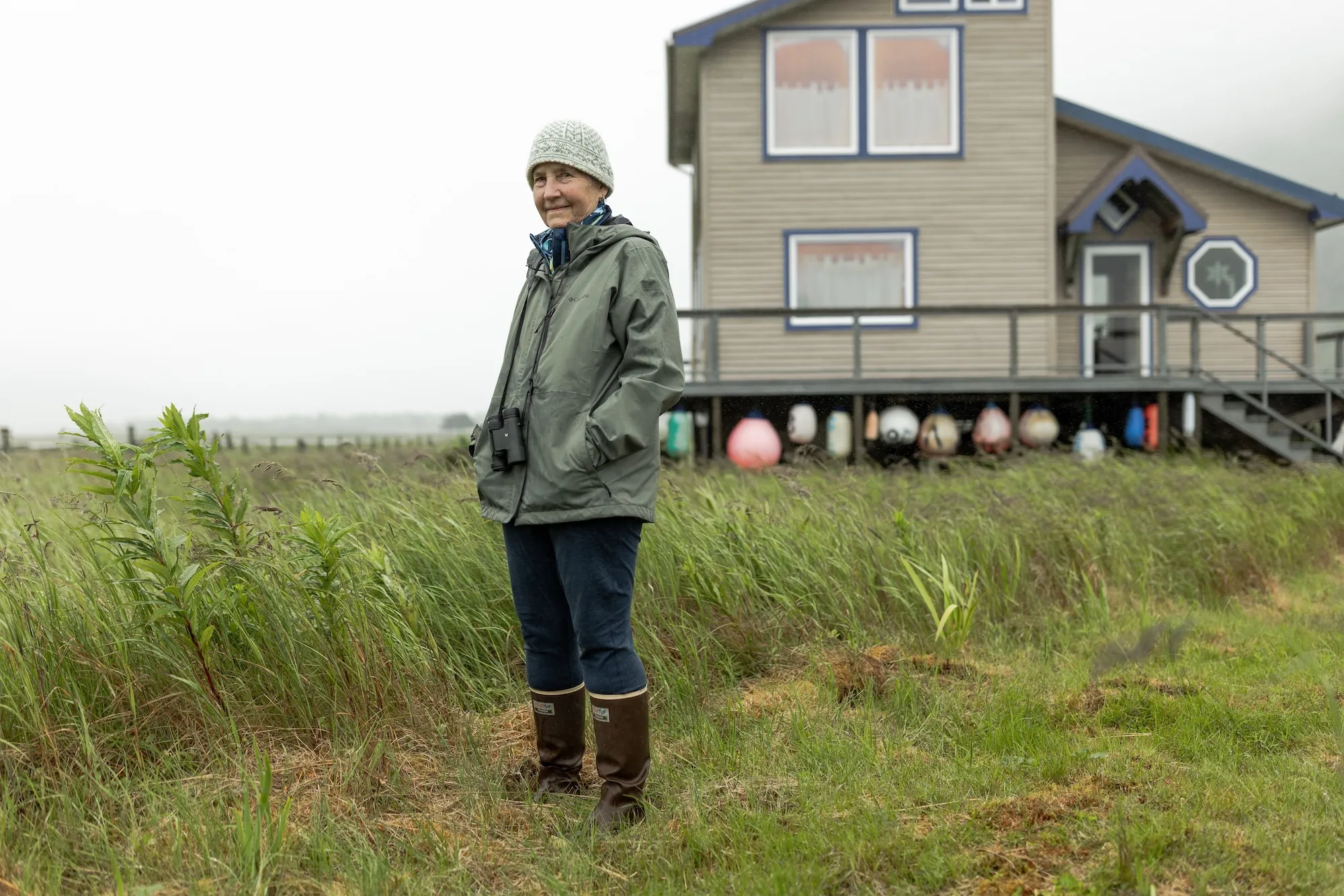
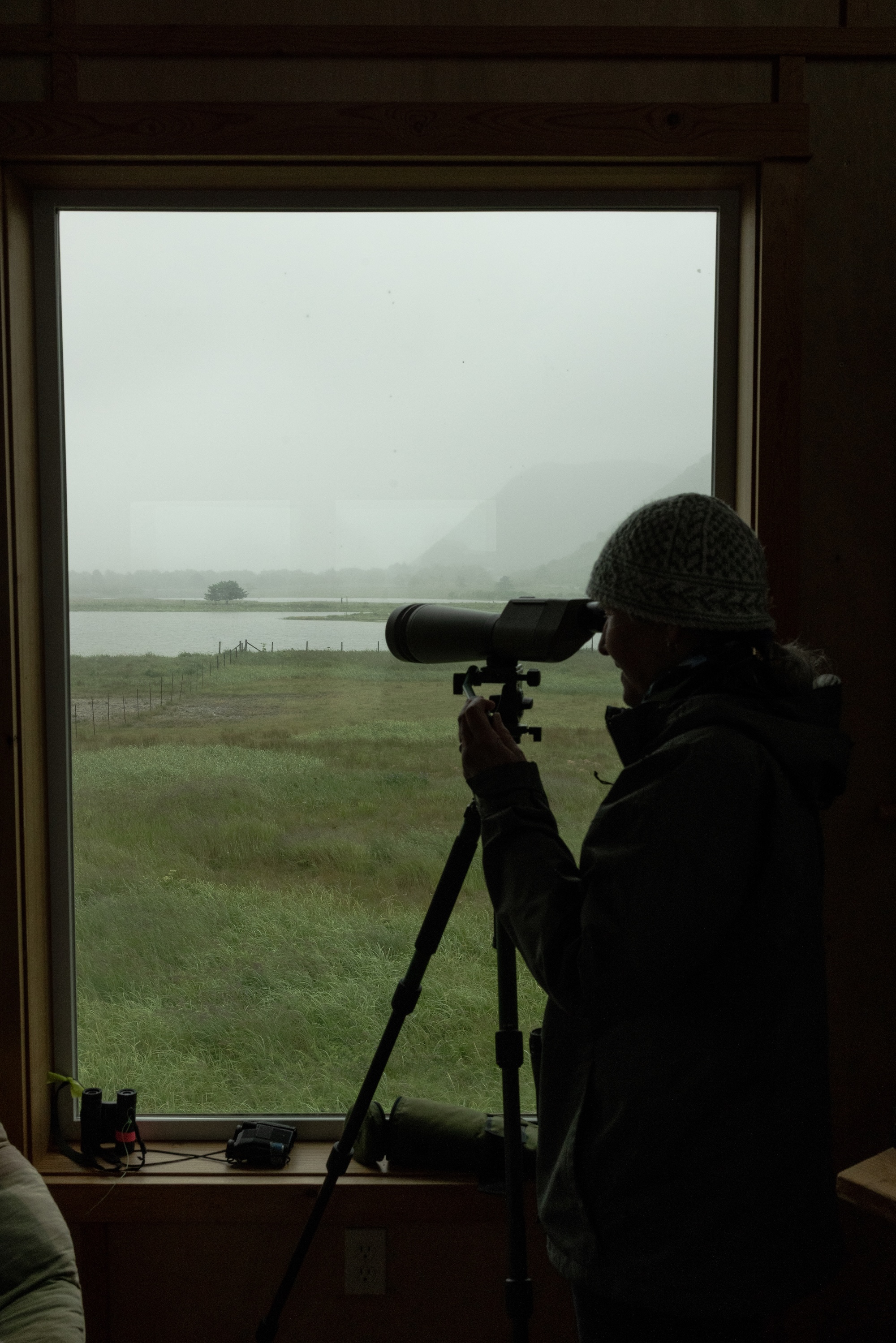
This past May, Studebaker, who is conservation chairperson of the local chapter of Audubon Alaska, arranged a meeting with Oberst, who gave the group a tour of the Spaceport and answered questions. Studebaker presented a recent inventory of bird species in the area compiled by Audubon; they identified 185 in Narrow Cape, including two dozen considered species of conservation concern.
“We really wanted them to know they are on hallowed habitat,” Studebaker said.
By all accounts, Oberst has been much more engaged with the community than previous Alaska Aerospace leaders: After the missile launch last August, he sent Christine Burton flowers and a note apologizing for the disturbance. But his relationship with the town could soon be strained. The military’s insistence on secrecy and the rushed timeline for developing a Golden Dome prototype — the Pentagon has scheduled the first major test before the 2028 presidential election — will likely take precedence over the concerns of the community.
That seems to be the emerging pattern. In August, General Michael Guetlein, who oversees the Golden Dome project, told an audience at the Space and Missile Defense Symposium in Huntsville, Alabama, that the government had already carried out two secret tests of the missile defense system, one of them at White Sands Missile Range in New Mexico (the other site remains undisclosed). But the program largely remains a black box. At the 2025 symposium, government officials were barred from talking about Golden Dome. More recently, David Mosher, national security division director for the Congressional Budget Office, which produced its own estimate of the program’s cost, said that the Pentagon initially refused to share any information with him, and he only received a briefing on the program after intervention by Senate Armed Services Committee staff.
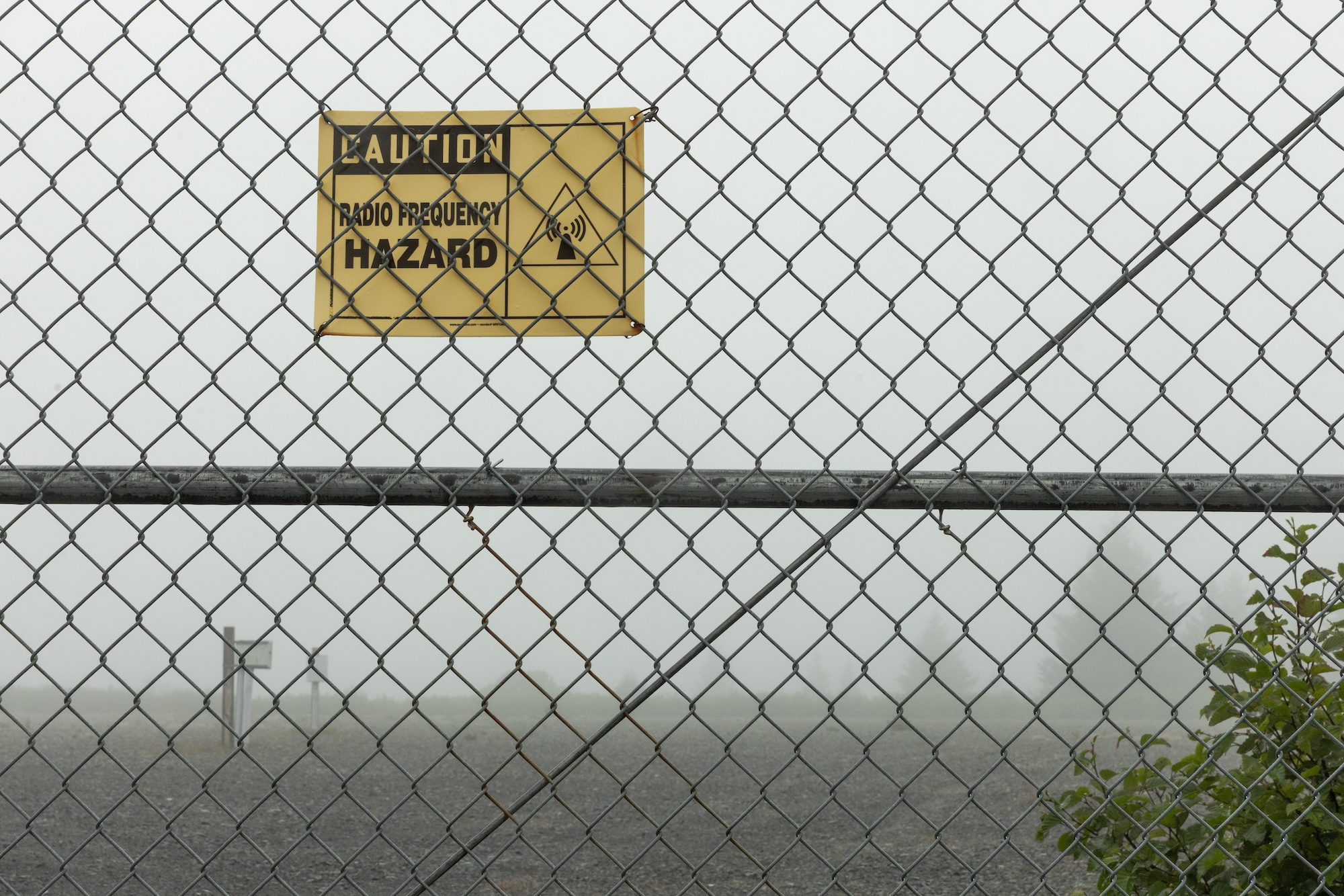
Oberst, for his part, said he intends to be as transparent as he can be with the community. He hopes the new hotel and land acquired from the Burtons will eventually create more opportunities for residents and the public to explore that part of the island. But as the military presence on Kodiak grows and tensions between the U.S. and its adversaries escalate, there will be limits to what he can tell his neighbors.
As Oberst said only half-jokingly during our conversation, he’s not even supposed to say the words “Golden Dome.”
This story was originally published by Grist with the headline The new Cold War comes to Kodiak on Oct 29, 2026.